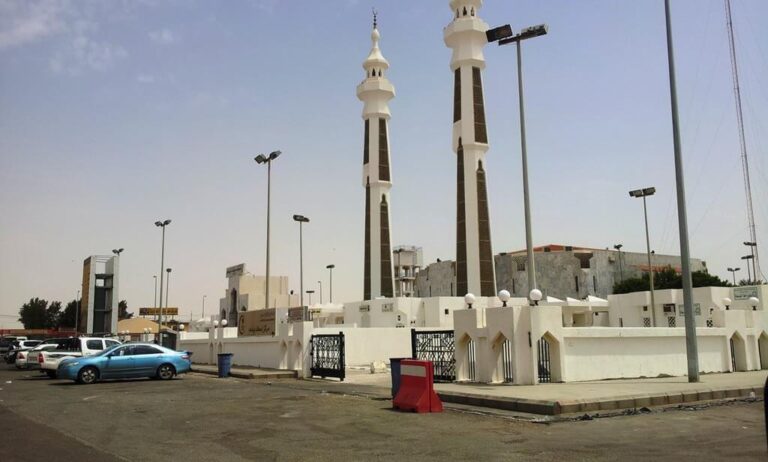
Private Taxi to Bir Tuwa (Well of Tuwa) and Historical Mosques in Makkah: A 2-Hour Mini-Tour Guide
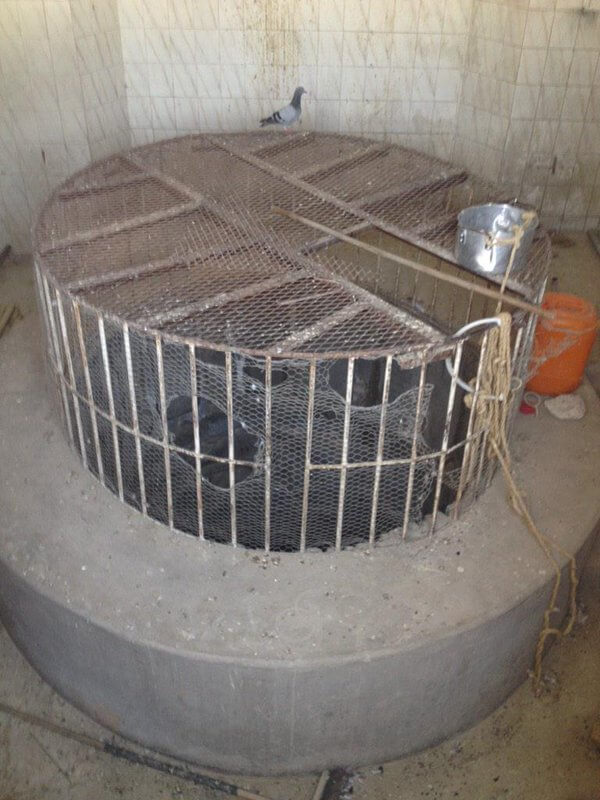
Bir Tuwa (بئر طوى), the Well of Tuwa, is a historic well in the valley of Dhi Tuwa, now part of Jarwal district in Makkah, roughly 2 km from Masjid al-Haram. The Prophet Muhammad ﷺ spent a night in this valley, bathed, prayed, and entered Makkah the next morning. A private taxi can combine Bir Tuwa with Masjid al-Jinn, Jannat al-Mu’alla and Masjid Aisha in about 1.5 to 2 hours, with pickup and drop-off at your hotel.
Most Makkah Ziyarat tours rush from Jabal al-Noor to Arafat and Mina, and a small site like Bir Tuwa is often skipped. That is a pity, because it is one of the few places in the city tied directly to the Prophet’s ﷺ humble return to Makkah. It is also close to the Haram, which makes it ideal for a short, unhurried trip between prayers.
This guide covers what Bir Tuwa is, why it matters, whether you can visit it today, and how to turn it into a compact mini-tour with a private driver.
What Is Bir Tuwa (the Well of Tuwa)?
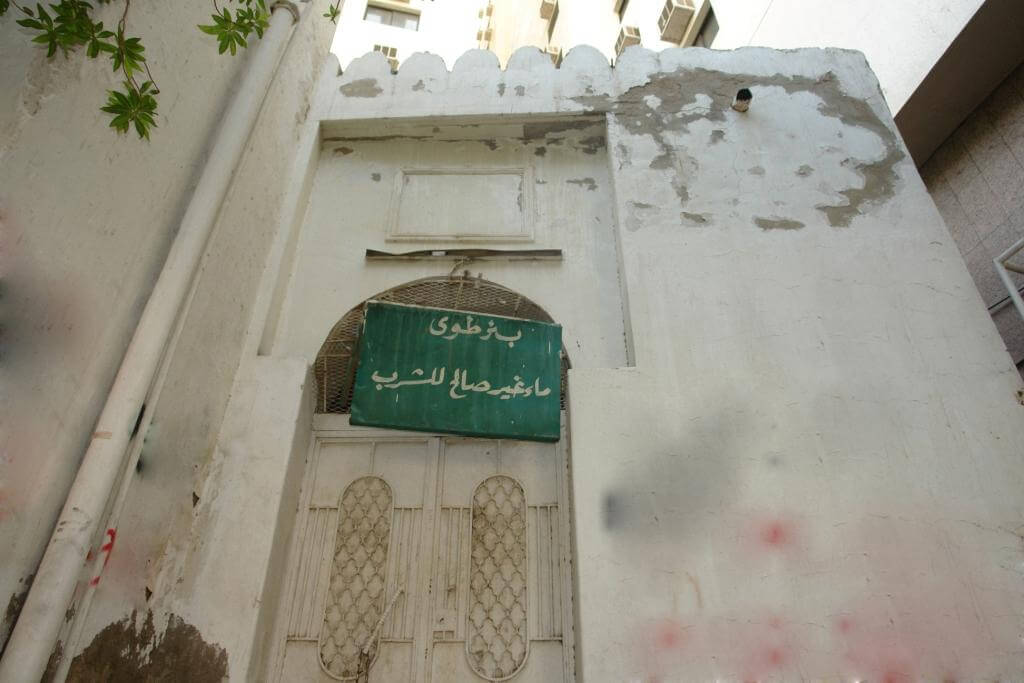
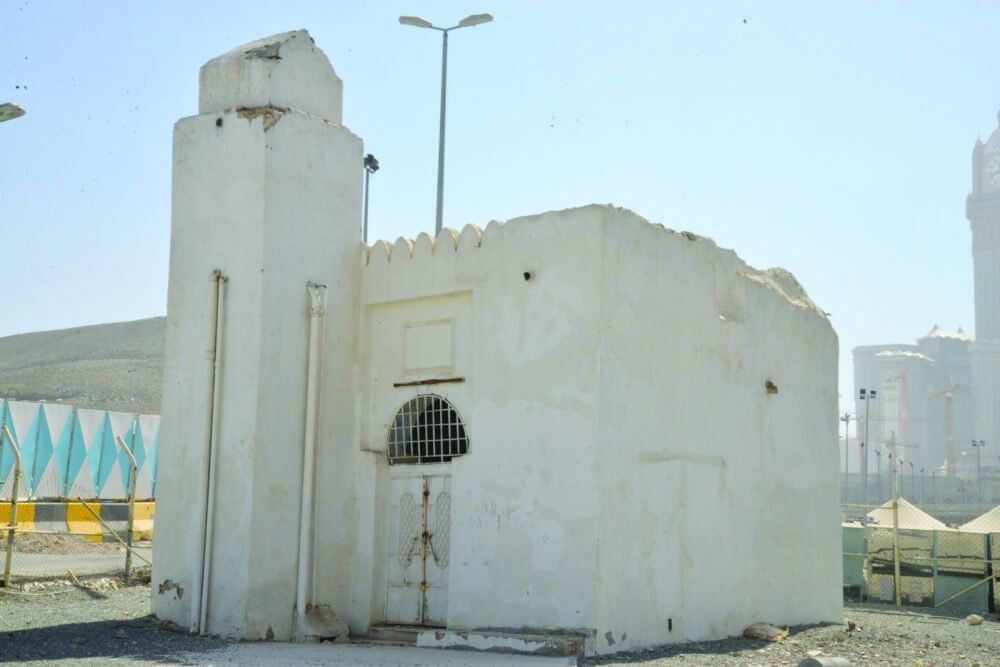
Bir Tuwa is an old well in the valley of Tuwa, called Dhi Tuwa in Arabic sources. IslamicLandmarks describes it as the well whose water the Prophet ﷺ used to bathe before he prayed and entered Makkah during the Conquest in 8 AH (630 CE). The valley has since been absorbed by the city and sits in Jarwal, one of Makkah’s oldest districts.
Two things are worth knowing from the start. The mosque that was once built near the spot where the Prophet ﷺ prayed has been demolished, but the well itself remains. And the site is small. People who expect a large complex are often surprised, which is why a little background makes the visit much more meaningful.
History and Religious Significance
The night at Dhi Tuwa
When the Muslim army approached Makkah in Ramadan 8 AH, the Prophet ﷺ stopped at Dhi Tuwa. Seerah accounts, including Ibn Ishaq’s, describe him lowering his head on his mount in humility as he came into the valley, rather than entering as a conqueror in triumph. Bir Tuwa is the place the reports associate with his night camp, his bath, and his prayer before the final approach to the city.
The practice of Ibn Umar (may Allah be pleased with him)
The strongest textual link comes from the companion Abdullah ibn Umar. Nafi’ reports that Ibn Umar would not enter Makkah without first spending the night at Dhi Tuwa. At dawn he would bathe, then enter in the morning, and he said that the Messenger of Allah ﷺ had done this. The report appears in Sahih Muslim and is also found in Sahih al-Bukhari.
What Bir Tuwa is not
Visiting Bir Tuwa is not a ritual of Umrah or Hajj, and no specific prayer or act of worship is prescribed there. Many scholars regard bathing before entering Makkah as recommended, not obligatory, and that is a separate matter from visiting the well.
Please also be careful with popular claims online. Some pages say the water has healing power or relate reports about earlier prophets stopping there. The reliable core is simple: the Prophet ﷺ stayed in this valley, bathed, prayed and entered Makkah. Treat the site as a place of reflection and learning, not a place for rituals that have no basis in the Sunnah, such as collecting soil or water for blessing.
Where Is Bir Tuwa and How Far Is It From Masjid al-Haram?
Bir Tuwa is in Jarwal, north-west of Masjid al-Haram, on the side of the city that faces the road toward Tan’im. Muslim.sg puts it about 2,000 metres from the Haram. A heritage walking guide from Beyond Makkah places it behind the Third Saudi Expansion of the Haram, near Jabal Kaaba.
By car, expect roughly 10 to 20 minutes from most hotels around Ajyad, the Clock Tower area, Jarwal and Misfalah, depending on prayer times and traffic. Because the lanes around the Haram change during busy periods, a local driver who knows the current access roads saves a lot of time. This is where “Bir Tuwa Makkah location driver” becomes a practical need and not just a search phrase.
Can You Visit Bir Tuwa Today?
This is the question most guides skip, so it deserves a straight answer: access can change.
Bir Tuwa sits inside an area where heritage restoration is underway. An Economist Enterprise report on the King Salman Gate project describes Tuwa Well as a 1,700-square-metre site from the Prophet’s era that is being restored in collaboration with the Heritage Commission and the Royal Commission for Makkah City and Holy Sites. Beyond Makkah’s half-day history walk notes that the site is under renovation and not open to the public, and suggests viewing it from the perimeter. Visitor reviews also mention fencing and “no entry” signs.
In practical terms, that means:
- You may be able to stand outside the boundary, see the location, and learn its story, even if the well itself is closed.
- Please do not climb fences or enter restricted areas. Follow signs and instructions from security staff.
- Once restoration is finished, the site may reopen in a new form, with different hours and rules.
Because of this, we recommend messaging us on WhatsApp (+966 57 4915 372) before booking so we can tell you what to expect on the day. The mini-tour below is designed to stay worthwhile either way, since the other stops are open to visitors.
Why a Private Taxi Suits This Route
The sites in this itinerary are spread across different parts of the old city. Public buses do not link them, and many are small, with very limited parking or standing space. A private Ziyarat taxi handles this well:
- One vehicle, one plan. Your driver waits at each stop, so you can pray, reflect, or read the history without watching the clock.
- Hotel pickup and drop-off. No walking in the heat and no navigating crowds around the Haram.
- Flexible multi-stop trips. You can change the order, shorten a stop, or add another one.
- Comfortable for families and elders. The car stays close, and everyone returns together.
- Better fit for prayer times. If the adhan sounds, the driver can pull over at a nearby mosque.
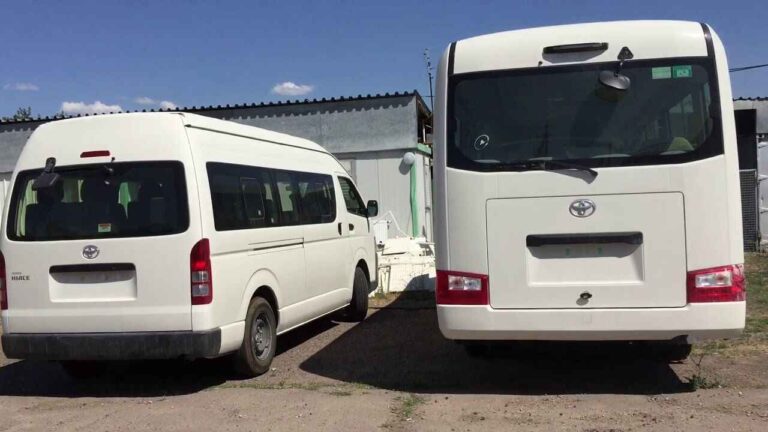
Makkah Ziyarat Taxi offers private Ziyarat taxis with door-to-door service. Our fleet includes Toyota Camry and Mercedes sedans for couples and small groups, Hyundai Staria and GMC Yukon for families, and Toyota Hiace, Coaster and bus options for larger groups.
The 1.5 to 2-Hour Mini-Tour: Bir Tuwa and Historical Mosques
This route links four places in the northern and north-western parts of Makkah. The order follows the map so there is no backtracking. Your driver may adjust it to suit traffic and prayer times.
| Stop | Place | What you will see | Suggested time |
|---|---|---|---|
| Start | Hotel pickup | Meet your driver at your hotel lobby | 5 min |
| 1 | Masjid al-Jinn | Historic mosque near Jannat al-Mu’alla | 15 to 20 min |
| 2 | Jannat al-Mu’alla | The historic cemetery of Makkah, viewed from outside | 10 to 15 min |
| 3 | Bir Tuwa (Dhi Tuwa) | The well and valley linked to the Prophet’s ﷺ approach to Makkah | 20 to 25 min |
| 4 | Masjid Aisha (Tan’im) | Miqat mosque for Umrah from within Makkah | 20 to 25 min |
| End | Hotel drop-off | Return to your hotel | 5 min |
Driving time between stops adds roughly 25 to 35 minutes in total, so the full trip comes to about 1.5 to 2 hours. Weekend afternoons and Ramadan evenings can take longer.
Stop 1: Masjid al-Jinn (Mosque of the Jinn)
Masjid al-Jinn is in the Hujun area, about 1 to 2 km north of Masjid al-Haram, close to Jannat al-Mu’alla. Saudipedia lists it as a historic mosque, and it is one of the closest to the Haram.
It is linked to the night when a group of jinn heard the Prophet ﷺ reciting the Qur’an, accepted Islam and pledged allegiance, which is why it is also called the Mosque of Allegiance. A third name, Masjid al-Haras (Mosque of the Guards), comes from its use as a gathering point for Makkah’s guards in earlier centuries. The mosque has been rebuilt several times, including after floods in 1112 AH (1700 CE).
Most people drive past it without stopping. Take a few minutes to pray two rakahs and recall Surah al-Jinn.
Stop 2: Jannat al-Mu’alla (Al-Ma’la Cemetery)
Jannat al-Mu’alla is the oldest and largest cemetery of Makkah, and the resting place of Khadijah bint Khuwaylid (may Allah be pleased with her), the Prophet’s ﷺ first wife, along with many members of his family and early Muslims.
Visitors view it from the outer boundary. Women are generally not allowed to enter the cemetery, and photography is restricted, so follow the posted signs and any instructions given on site. It is a place for dua and quiet remembrance, not for lingering in groups.
Stop 3: Bir Tuwa (Well of Tuwa)
Your driver will take you to the Jarwal side of the city and pull up as close as the current restrictions allow. Spend your time here on the story: where the Prophet ﷺ camped, why Ibn Umar followed the same practice, and how the valley looked before the city grew around it. If the site is open, remember there is no special act of worship tied to it. If it is closed, pause at the boundary, make dua, and move on.
Historical accounts place Dhi Tuwa on the approach toward Tan’im, so the next stop follows naturally.
Stop 4: Masjid Aisha (Masjid al-Tan’im)
Masjid Aisha is the closest miqat for pilgrims already in Makkah who want to perform another Umrah. It is named after Aisha bint Abu Bakr (may Allah be pleased with her), who entered ihram for Umrah here after the Farewell Pilgrimage, according to the Nusuk guide to Makkah and Madinah sites.
If you plan another Umrah, you can enter ihram and pray here, then return to the Haram. If you do not, you can still visit, pray, and see why this mosque is so important to Umrah travellers. Makkah Ziyarat Taxi offers Masjid Aisha taxi transfers both as part of this tour and as a standalone ride to and from the Haram.
A note on sites that have disappeared
Older guidebooks often mention Masjid al-Rayah, the “Mosque of the Banner,” near the Haram. Wikipedia records that it was demolished as part of the northern expansion of the Grand Mosque, and the mosque at Dhi Tuwa is also gone. It is worth checking that a place still exists before building a trip around it, and a local driver can confirm this for you.
Other Historical Wells of Makkah
If you are searching for a “historical wells in Makkah tour,” here is the honest picture. Makkah has few wells that visitors can still see, and each has a different level of access.
- Zamzam. Located within the Mataf area of Masjid al-Haram, near the Kaaba. You cannot visit it by taxi, but you can drink Zamzam water in the Haram and at dispensers around the city.
- Bir Tuwa. The valley well described in this guide, linked to the Prophet’s ﷺ entry into Makkah.
- Ayn Zubaydah. A well and canal system built over 1,200 years ago to bring water to pilgrims. Arab News has reported renovation work on the site alongside Bir Tuwa. It lies outside the central area, so we include it only on a longer tour, and we confirm access first.
Extending the Trip: Half-Day and Full-Day Ziyarat Tours
Many guests start with this 2-hour route and then ask to add more. Because the trip is private, adding stops is easy:
- Jabal al-Noor and the Cave of Hira, where the first revelation began.
- Jabal Thawr and the Cave of Thawr, the refuge of the Prophet ﷺ and Abu Bakr during the Hijrah.
- Masjid al-Ji’ranah, the miqat where the Prophet ﷺ entered ihram for Umrah.
- Mina, Muzdalifah, Arafat and Masjid Nimrah, the sites of the Hajj rites. We also offer Jamarat transfers and Masjid al-Khaif stops.
A half-day or full-day tour with hotel pickup lets you cover several of these without reorganising transport at each point. Tell us what matters most to you and we will build the route around it.
Practical Tips for Pilgrims and Visitors
Best time to go. Early morning, after Fajr or mid-morning, is calmer and cooler. Avoid the hour before Jumu’ah and the period around Maghrib in Ramadan, when roads near the Haram are heaviest.
Weather. Summer temperatures in Makkah can climb above 40°C in the afternoon. Carry water, wear a hat or use an umbrella, and keep stops short outdoors. Winter is mild and pleasant.
Dress and etiquette. Dress modestly, keep your voice low near mosques and cemeteries, and avoid blocking narrow roads or entrances. Do not photograph people, especially women, without permission.
Photography. Photography of buildings and landscapes is usually fine, but not at Jannat al-Mu’alla or anywhere signs prohibit it. Ask your driver if you are unsure.
Elderly travellers and wheelchair users. Several stops are roadside, and your driver can park as close as the rules allow. Please tell us in advance about mobility needs, and we will match the vehicle and choose stops that suit you. A wheelchair can be carried in larger vehicles on request.
Family travel. A Hyundai Staria or GMC Yukon gives families space for children, prayer mats and bags. A private family taxi also means you are not rushed.
Ramadan and Hajj seasons. Expect heavier traffic, road diversions, and security checkpoints around the Haram. Book early, allow extra time, and keep your hotel details ready. During Hajj, access to many sites is restricted, so check before you plan.
Safety. Use only licensed, pre-booked transport. Agree on the route and stops before leaving.
How to Book a Private Taxi to Bir Tuwa
- Message us on WhatsApp at +966 57 4915 372 or visit makkahziyarat.taxi.
- Share the details: hotel name and area, number of passengers, preferred start time, and any mobility needs.
- Confirm your stops. We will tell you the current access situation at Bir Tuwa and suggest the best order.
- Meet your driver in your hotel lobby at the agreed time.
- Enjoy the trip at your own pace, and return to your hotel afterwards.
We confirm the vehicle, fare and pickup time with you in advance, so there are no surprises on the day.
FAQs
What is Bir Tuwa?
Bir Tuwa, or the Well of Tuwa, is a historic well in the Dhi Tuwa valley in Makkah’s Jarwal district. The Prophet ﷺ spent a night here, bathed and prayed before entering Makkah during the Conquest.
Where is Bir Tuwa located?
It is in Jarwal, on the north-west side of Masjid al-Haram, about 2 km from the Haram. A private driver can reach it from most Makkah hotels in 10 to 20 minutes, depending on traffic.
Why is Bir Tuwa important in Islam?
It is linked to the Prophet’s ﷺ humble approach to Makkah. The companion Ibn Umar followed his practice by staying at Dhi Tuwa and bathing before entering the city, as reported in Sahih Muslim.
Can I visit Bir Tuwa now?
Access has been limited because the site is being restored, and reports describe it as fenced. You can often see the area from outside the boundary. Please message us on WhatsApp for the latest situation before you book.
Is visiting Bir Tuwa part of Umrah or Hajj?
No. It is a historical Ziyarat site, not a ritual of Umrah or Hajj. Visiting is optional and meant for reflection and learning.
Can I take or drink water from the well?
We advise against it. The well is a heritage site, and there is no established Sunnah of taking its water for blessing. Zamzam water is available in the Haram.
How long does the Bir Tuwa mini-tour take?
About 1.5 to 2 hours, including Masjid al-Jinn, Jannat al-Mu’alla, Bir Tuwa and Masjid Aisha, plus time for prayer at each stop.
Can I book a private taxi to Bir Tuwa from my hotel?
Yes. Makkah Ziyarat Taxi provides hotel pickup and drop-off across Makkah. Book through makkahziyarat.taxi or WhatsApp +966 57 4915 372.
What other places can I add to this tour?
You can add Jabal al-Noor (Cave of Hira), Jabal Thawr (Cave of Thawr), Masjid al-Ji’ranah, Masjid Nimrah, Masjid al-Khaif, Mina, Muzdalifah, Arafat and the Jamarat, either on the same day or as a longer half-day or full-day tour.
Is this tour suitable for elderly pilgrims and wheelchair users?
Usually yes, because the car stays close to each stop and you can skip any stop that is too tiring. Tell us in advance about mobility needs so we can choose the right vehicle.
Which vehicle should I choose for a family or group?
Sedans like the Toyota Camry or Mercedes suit one to three passengers. The Hyundai Staria or GMC Yukon suits families of up to seven. Toyota Hiace, Coaster or bus options suit larger groups.
What is the best time to visit?
Early morning after Fajr or mid-morning is usually best. Avoid the time around Jumu’ah and the busy Maghrib period in Ramadan, when roads near the Haram are crowded.
Plan Your Bir Tuwa Mini-Tour With Makkah Ziyarat Taxi
A short trip to Bir Tuwa and the neighbouring mosques shows a quieter side of Makkah’s heritage, the one that tells the story of how the Prophet ﷺ returned to his city. With a private driver, you can do it in under two hours, between prayers, without worrying about directions or crowds.
To book a private taxi to Bir Tuwa, ask about current access, or build a longer Ziyarat route, visit makkahziyarat.taxi or message us on WhatsApp at +966 57 4915 372. We are happy to help you plan the right itinerary for your family or group.