Makkah Ziyarat Places: The Complete List and Visitor’s Guide
By Makkah Ziyarat TaxiTeam
If you have finished your Umrah and still have a day or two in Makkah, Ziyarat is the most meaningful way to spend that time. It means visiting the places where the early chapters of Islam actually happened.
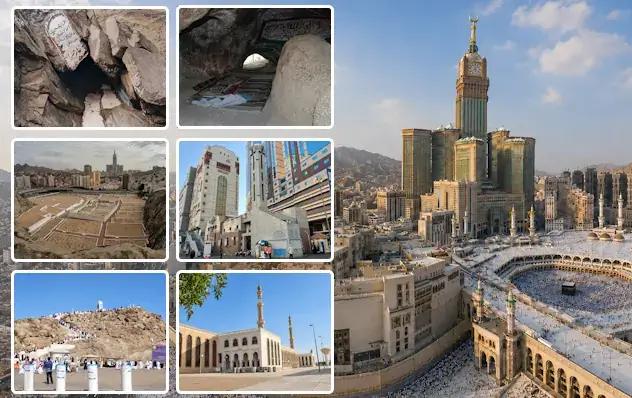
The main Makkah Ziyarat places are the Cave of Hira on Jabal al-Noor, the Cave of Thawr on Jabal Thawr, Jannat al-Mu’alla, the sites of Mina, Muzdalifah and Arafat, and the Umrah-linked mosques at Masjid Aisha (At-Tan’im) and Masjid al-Ji’ranah. Most of them can be covered in a half-day or full-day private trip, as long as you plan the order sensibly.
This guide goes through each site in turn: what happened there, roughly how far it is from Masjid al-Haram, how demanding the visit is, and what to expect on the ground. It also shows how to group the sites into realistic routes, because the most common mistake is treating the list like a checklist and spending half the day in traffic.
The short version
- Ziyarat is optional. It is not part of Umrah or Hajj, and no ritual is performed at these places.
- Hira and Thawr are physical climbs. Everything else is a short stop.
- Mina, Muzdalifah and Arafat are mostly open land outside Hajj, so they suit a quick, thoughtful visit rather than a long one.
- The sites are spread across the city. A private taxi lets you choose the order, the pace and the waiting time.
What does Ziyarat mean in Makkah?
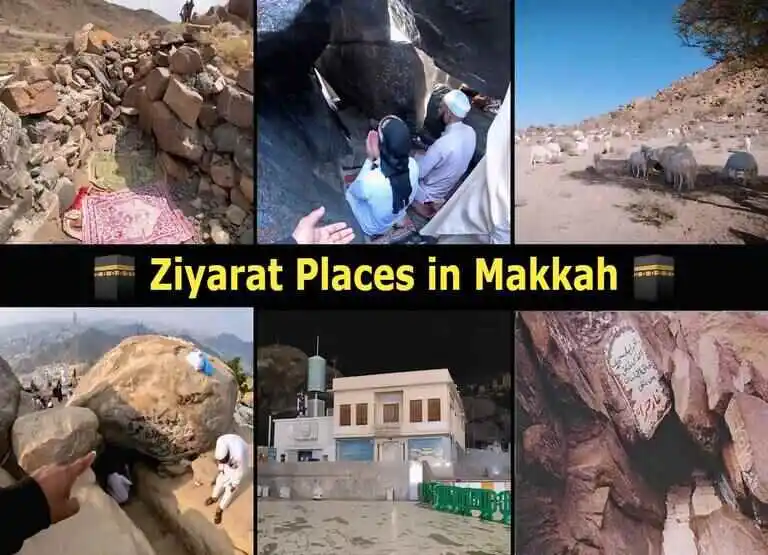
Ziyarat simply means “visit”. In Makkah it refers to visiting places connected with the Prophet Muhammad ﷺ, with Ibrahim and Ismail (peace be upon them), and with the rites of Hajj.
It is not a pillar or condition of Umrah or Hajj. Nothing you do at a mountain or a mosque adds to or completes your pilgrimage. What Ziyarat gives you is context: you read the story, then you stand where it took place.
That shapes how to behave. There is no prescribed prayer or ritual at these sites, so there is nothing to rub, kiss, tie or collect. Pray as you normally would, make your own dua, reflect, and learn. The Kaaba, Maqam Ibrahim, Zamzam, Safa and Marwa are inside Masjid al-Haram and part of Umrah itself, so they are not covered below as separate trips.
Makkah Ziyarat places at a glance
Distances are approximate road distances from Masjid al-Haram. Sources quote slightly different figures and traffic changes everything, so treat them as a planning guide.
| Place | What it commemorates | Approx. distance | Effort |
|---|---|---|---|
| Jannat al-Mu’alla | Historic cemetery, resting place of Khadijah (RA) | 1–2 km | Easy |
| Masjid al-Jinn | Jinn listening to the Qur’an | 1–2 km | Easy |
| Birthplace of the Prophet ﷺ | Traditional site, now a library | Under 1 km | Easy, walkable |
| Jabal al-Noor / Cave of Hira | First revelation | About 4 km | Hard climb |
| Hira Cultural District | Exhibitions on revelation | About 4 km | Easy |
| Jabal Thawr / Cave of Thawr | Shelter during the Hijrah | 5–6 km | Very hard climb |
| Mina | Hajj tent city, Jamarat | 5–7 km | Easy |
| Muzdalifah | Overnight stop during Hajj | About 9 km | Easy |
| Arafat | Day of Arafah, Farewell Sermon | About 20 km | Easy |
| Masjid Aisha (At-Tan’im) | Ihram point for repeat Umrah | About 7 km | Easy |
| Masjid al-Ji’ranah | Where the Prophet ﷺ entered Ihram in 8 AH | 14–24 km (sources vary) | Easy |
| Hudaybiyyah | Site of the 6 AH treaty | About 20 km | Easy |
Ziyarat places near Masjid al-Haram
Jannat al-Mu’alla (Al-Hajun)
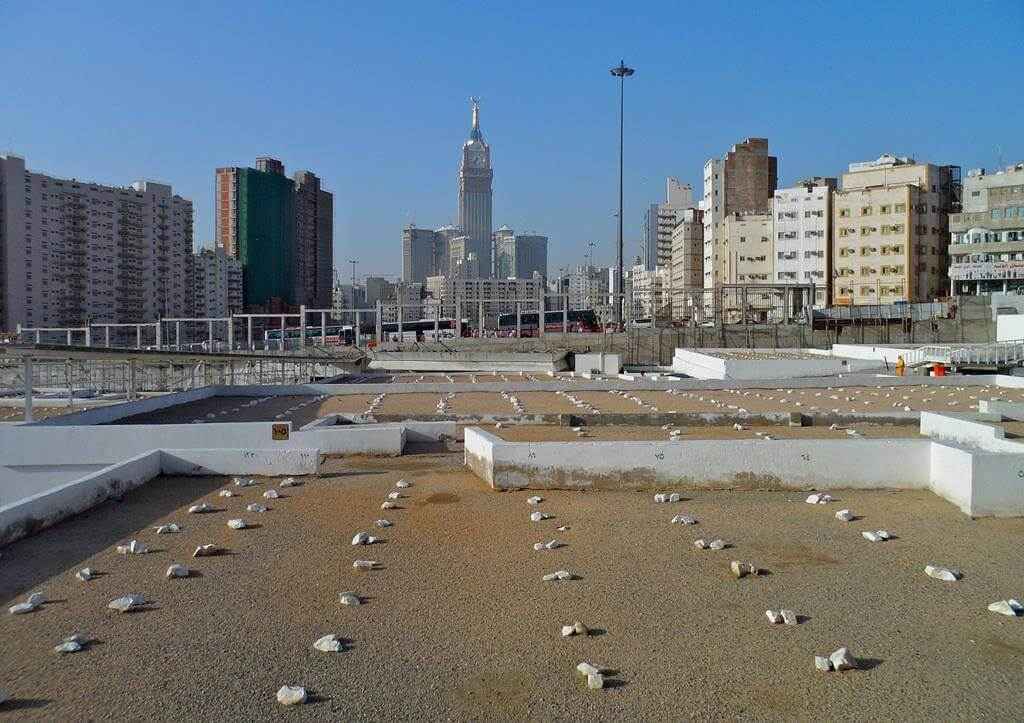
This is the historic cemetery of Makkah, a short drive north of the Haram. Khadijah bint Khuwaylid (may Allah be pleased with her), the Prophet’s ﷺ first wife and first supporter, is buried here, along with other members of his family and early believers.
Access is controlled. Most visitors see the cemetery from its perimeter, women are generally not admitted inside, and photographing the graves is discouraged. Follow the signs and the guidance of staff on site. A visit takes 15 to 20 minutes, and it is a natural first stop on the northern route.
Masjid al-Jinn

Near Jannat al-Mu’alla, this small mosque marks the place associated with the jinn who heard the Prophet ﷺ recite the Qur’an and believed, an event referred to in Surah al-Ahqaf (46:29–32) and Surah al-Jinn (72). Some sources also call it Masjid al-Haras. It is a short stop. Access and opening can change, so ask your driver to check before you set out.
The birthplace of the Prophet ﷺ
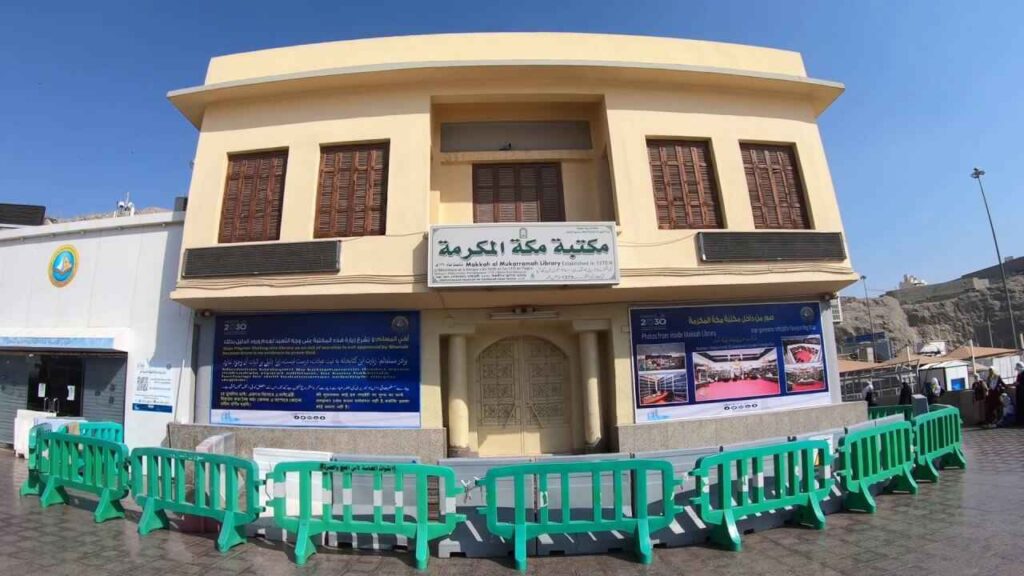
The site traditionally identified as his birthplace, in the Shi’b Bani Hashim area close to the Haram, is now the Makkah al-Mukarramah Library. You can reach it on foot from many hotels, so a taxi is rarely needed. Many scholars advise against turning it into a place of devotion or celebration; it is best seen as a historical marker.
The two mountains: Hira and Thawr
Jabal al-Noor and the Cave of Hira
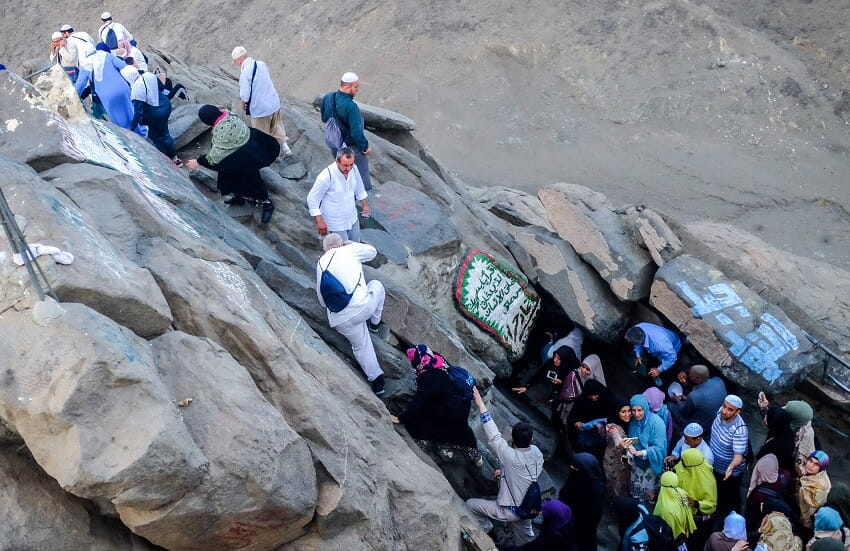
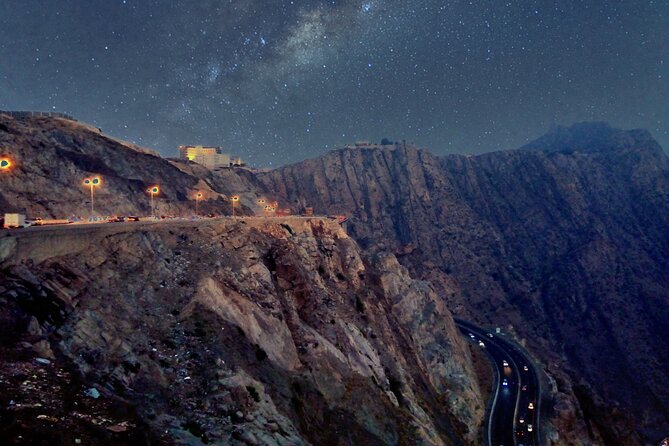
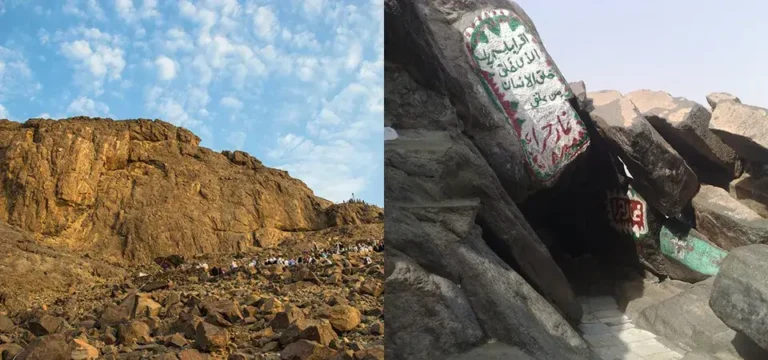
Jabal al-Noor, the Mountain of Light, rises about 4 kilometres north of the Haram. Before prophethood, the Prophet ﷺ used to spend nights in reflection in the small cave of Hira near its summit. It was here that Jibril (peace be upon him) brought the first verses of the Qur’an, the opening of Surah al-Alaq (96:1–5).
The cave is smaller than most people expect, commonly cited at around 3.7 metres long and 1.6 metres wide, and it can be crowded at the top. You do not need to enter it or pray inside it.
What the climb is really like. The path is now paved, stepped and lit. Step counts vary by source and route; around 1,200 is commonly cited, and some give higher figures. Expect anywhere from 45 minutes to three hours each way depending on fitness, heat and crowds. There is little shade, and summer temperatures in Makkah can reach the mid-40s °C. The descent is easier but hard on the knees.
Tips from the road:
- Go after Fajr, and aim to be heading down before the sun is high.
- Wear closed shoes with grip, carry water, and take it slowly.
- Skip the climb if you have heart, breathing or serious joint problems. It is not suitable for wheelchair users.
- A cable car to the cave has been announced in official development plans. Check whether it is operating before you count on it.
Our drivers handle this as a drop-off and wait: you tell us how long you want, we collect you at the foot of the mountain. See our Cave of Hira Taxi and Jabal al-Noor Taxi service at makkahziyarat.taxi.
Hira Cultural District: the easier option
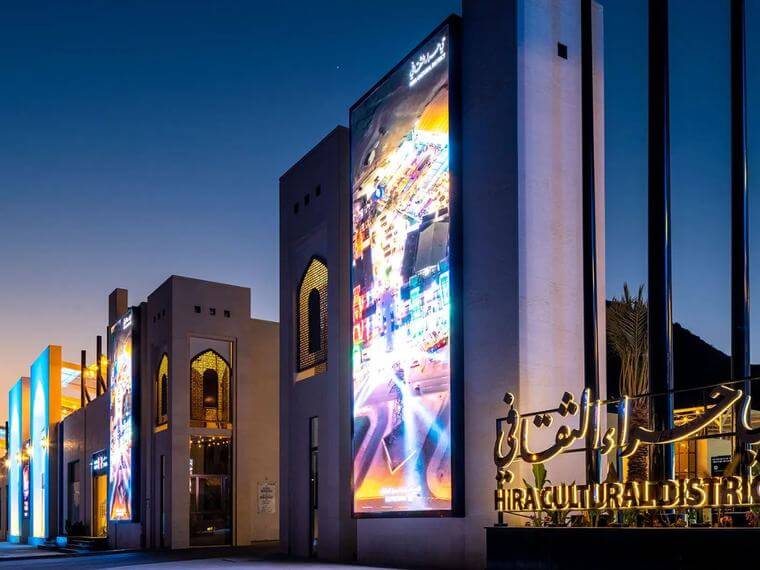
At the foot of the mountain, the Hira Cultural District has the Revelation Exhibition, the Holy Quran Museum, a library and a visitor centre. It is a good alternative for elderly parents, young children, or anyone who cannot manage the climb. Opening hours have been extended recently, and published times differ between sources, so confirm on the day.
Jabal Thawr and the Cave of Thawr
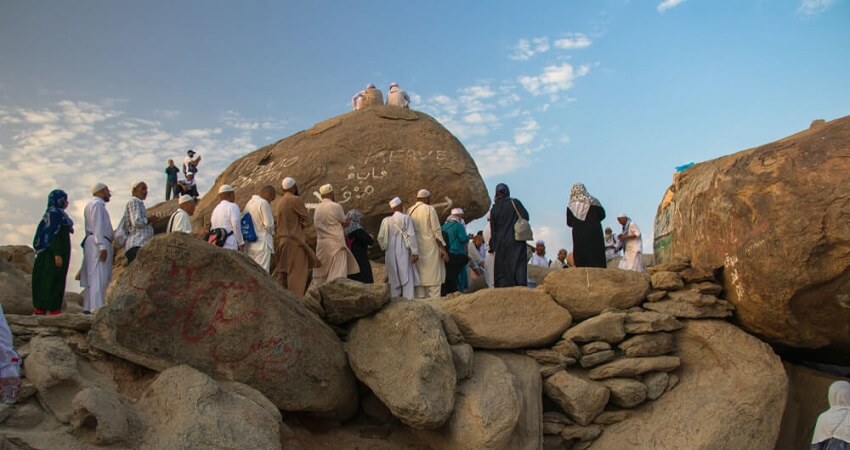
Jabal Thawr lies roughly 5 to 6 kilometres south of the Haram. When the Quraysh sought the Prophet ﷺ at the start of the Hijrah, he and Abu Bakr (may Allah be pleased with him) sheltered in this cave for three nights before setting out for Madinah. The Qur’an refers to the moment in Surah at-Tawbah (9:40): “Do not grieve; indeed Allah is with us.” Traditional accounts add the details of the spider’s web and the nesting dove at the entrance.
This is the harder of the two climbs. The path is steeper and rougher than Hira, and fit visitors should allow 60 to 90 minutes up. It is best for able-bodied adults, ideally at dawn. The cave entrance is narrow and there is no need to go in if it is busy.
For families who want the history without the climb, a driver can take you to the base, point out the mountain, and let you read the story from the car. Book through our Cave of Thawr Taxi and Jabal Thawr Taxi options.
Mina, Muzdalifah and Arafat
These three locations are known as the Mashair, the sites of the Hajj rites. Outside the Hajj days they are quiet, and visits are short and reflective. In the weeks around Hajj, authorities restrict movement into these areas, so check current rules first.
Mina
Mina, about 5 to 7 kilometres east of the Haram, is the city of tents where pilgrims spend the days of Tashreeq. Outside Hajj, the permanent tents stand mostly empty. Two mosques are worth knowing:
- Masjid al-Khayf, where, according to reports, many prophets prayed, and where the Prophet ﷺ prayed during his Hajj.
- Masjid al-Bay’ah, near Jamarat al-Aqabah, which marks the Pledge of al-Aqabah, when the Ansar of Madinah pledged their support to the Prophet ﷺ.
Our Mina Taxi Transfer and Masjid Al-Khaif Taxi options cover both.
Jamarat
The Jamarat are the three pillars (Sughra, Wusta and Aqabah) where pilgrims stone during Hajj, recalling Ibrahim’s rejection of Shaytan’s temptation. The stoning is performed only on the prescribed days of Hajj, never at other times. Outside Hajj, the multi-level Jamarat Bridge is often closed to pedestrians and is viewed from outside. Book the Jamarat Taxi if you want it on your Mina circuit.
Muzdalifah
Muzdalifah lies between Mina and Arafat, about 9 kilometres from the Haram. Pilgrims pray Maghrib and Isha here and spend the night under the open sky on the way back from Arafat. Al-Mash’ar al-Haram is the sacred area here. Outside Hajj it is an open plain, so a ten- to fifteen-minute stop is enough. See our Muzdalifah Taxi service.
Arafat
Arafat, roughly 20 kilometres east of Makkah, is the heart of Hajj. The Prophet ﷺ delivered his Farewell Sermon in the valley of Uranah, beside Arafat, on the Day of Arafah.
A few clarifications that most guides skip:
- Jabal al-Rahmah is a hill inside Arafat. Standing on it is not required for Hajj. Standing anywhere within Arafat’s boundaries is valid, and the popular story that Adam and Hawwa met there is not established by sound evidence.
- Masjid Nimrah is where the Hajj sermon is delivered. Part of the mosque lies in Wadi Uranah, which is outside Arafat. Boundary signs mark the difference, which matters if you are ever there on the Day of Arafah.
We offer Arafat Taxi Transfer and Masjid Nimrah Taxi for this route.
Umrah-linked mosques outside the Haram boundary
Masjid Aisha (Masjid At-Tan’im)
About 7 kilometres from the Haram on the Madinah road, this is where Aisha (may Allah be pleased with her) put on Ihram for her Umrah after Hajj, with her brother Abd ar-Rahman accompanying her. Today it is the nearest point outside the Haram boundary for people already in Makkah who want to perform another Umrah. It has large prayer halls, washrooms and shops selling Ihram clothing.
If you only want to see the mosque, a short visit is enough. If you plan another Umrah, tell your driver beforehand, since you will want time to change into Ihram and pray. Our Masjid Aisha Taxi service does the round trip with waiting.
Masjid al-Ji’ranah
This is where the Prophet ﷺ camped after the Battle of Hunayn, divided the spoils, and entered Ihram for Umrah in 8 AH. It sits on the road toward Taif, and sources give distances from about 14 to 24 km depending on the route. It is larger and usually calmer than Masjid Aisha, which is why many residents prefer it. Book a Masjid Ji’ranah Taxi if you want to start another Umrah from here.
Hudaybiyyah
The Treaty of Hudaybiyyah in 6 AH was a turning point. The Muslims were turned back from Makkah, yet the agreement opened the door to the peaceful conquest two years later. A mosque stands in the area on the old Jeddah road, roughly 20 km west of the Haram. It is a quiet stop and fits well if you are heading toward Jeddah.
Smaller stops worth knowing
- Bir Tuwa (Dhi Tuwa). A short historical stop connected to the Prophet’s ﷺ approach to Makkah. We cover it in its own guide as a 1.5 to 2 hour mini-tour.
- Kiswah Factory. Where the cloth for the Kaaba is produced. Visits normally need prior arrangement, so check before you plan around it.
How to plan your route
The sites sit in different directions, so the order matters more than the length of the list. These routes group them by geography.
Northern half-day (3.5 to 4.5 hours). Jannat al-Mu’alla, Masjid al-Jinn, then Jabal al-Noor or the Hira Cultural District. Leave after Fajr.
Southern and eastern half-day (about 5 hours). Jabal Thawr early, then Mina, Muzdalifah and Arafat on the way back. Add the Jamarat view if time allows.
Umrah-linked half-day. Masjid Aisha, then Ji’ranah if you want to compare, with extra time if you plan to perform Umrah afterward.
Full-day classic (7 to 9 hours with breaks). Hira in the early morning, rest at the hotel, then Thawr and the Mashair in the afternoon cool. This is demanding. Many families split it over two days.
Gentle route for elderly travellers. Hira Cultural District, Jannat al-Mu’alla from the perimeter, Mina, Muzdalifah, Arafat and Masjid Aisha. No climbs, and mostly short stops from the car.
One timing tip: avoid the hours around Friday prayer. Roads near the Haram are heavily congested and some sites are busy.
Taxi, bus or group tour?
Ride-hailing can work for a single point-to-point trip, but at mountain sites the return pickup is often the problem, since you are waiting among many others at the base. Group buses are good value but follow a fixed schedule, and you may not want to leave when the bus does.
A private Ziyarat taxi costs more than either, but it gives you control. You choose the stops and their order, you stay as long as you like at each one, and you are collected from your hotel and returned there. That is why private taxis suit families, elderly parents, and anyone who wants to pray at a relaxed pace. It is also the practical way to string together far-apart sites like Arafat and Jabal Thawr in one day.
Choosing the right vehicle
Seating is typical rather than fixed. Confirm it with luggage and child seats when you book.
- Toyota Camry (sedan): one to three people, couples, and solo travellers.
- Hyundai Staria: families of up to six or seven, with space for elderly passengers.
- GMC Yukon (SUV): families who want extra room and comfort, or a premium feel.
- Mercedes: a luxury Ziyarat taxi for special occasions or VIP guests.
- Toyota Hiace (family van): larger families and groups of around ten.
- Coaster and bus: bigger groups, travel agency parties and community trips.
All vehicles are air-conditioned, which matters from late spring through early autumn.
How to book a private Ziyarat taxi in Makkah
- Message us on WhatsApp at +966 57 4915 372, or visit makkahziyarat.taxi.
- Tell us your hotel, the date, your preferred start time and how many people are travelling.
- List the places you want, and say if anyone has difficulty walking or climbing.
- We suggest a route and confirm the vehicle.
- Before the day, confirm the stops, the waiting time, and the total fare, so nothing is unclear.
- Your driver meets you at the hotel and brings you back, with hotel pickup and drop-off included.
We also offer half-day and full-day tours, flexible multi-stop trips, private family and group taxis, luxury options and door-to-door service.
Practical tips for Makkah Ziyarat
Heat. From roughly May to September, daytime temperatures can pass 40 °C. Do the physical sites at dawn and keep water with you.
Ramadan and peak Umrah seasons. Traffic around the Haram is heavy, and trips take longer. Book early and add buffer time. Schedule Ziyarat between prayers, not around them.
Hajj period. Entry to the holy sites is restricted. Check the latest rules from official channels before you plan anything.
Etiquette. Dress modestly, keep your voice low, queue patiently on the stairs, and avoid blocking narrow paths. Remember that these are places of remembrance, not ritual.
Photography. Generally acceptable in open areas. Avoid photographing other visitors, especially women, and avoid graves. Follow posted signs.
Accessibility. Wheelchair users can do Hira Cultural District, Masjid Aisha, Ji’ranah, and a drive through Mina, Muzdalifah and Arafat. The two mountain climbs are not suitable.
Safety. Use the official stepped paths, do not climb at night alone, carry water, and keep valuables with you.
FAQs
What are the main Ziyarat places in Makkah?
The main ones are the Cave of Hira on Jabal al-Noor, the Cave of Thawr on Jabal Thawr, Jannat al-Mu’alla, Mina, Muzdalifah, Arafat, Masjid Aisha and Masjid al-Ji’ranah.
Is Ziyarat compulsory for Umrah?
No. It is optional. It is not part of Umrah or Hajj and has no prescribed rituals.
How long does a Makkah Ziyarat tour take?
A half-day tour usually takes 3.5 to 5 hours. A full-day trip takes 7 to 9 hours with breaks. The climbs and traffic are what stretch the time.
What is the best time of day to go?
Early morning, after Fajr. It is cooler, quieter, and safer for the climbs. Avoid midday in summer.
Can I visit Mina, Arafat and Muzdalifah outside Hajj?
Yes, generally. They are mostly open land outside the Hajj days, with some areas closed. Rules tighten around Hajj, so check first.
Is the climb to the Cave of Hira suitable for elderly people?
Usually not. It is steep and has little shade. The Hira Cultural District at the foot is a gentler alternative.
Can women visit all Ziyarat sites?
Women can visit most sites, including the mountains, mosques and Mashair. Jannat al-Mu’alla is generally closed to women, who may view it from the perimeter.
Do I need to wear Ihram for Ziyarat?
No. Ihram is only needed if you are going to Masjid Aisha or Ji’ranah to begin another Umrah.
Which vehicle is best for a family of six?
A Hyundai Staria suits most families of six. A GMC Yukon is a good premium option, and a Hiace works if you have extra luggage or relatives.
Can the taxi wait while I climb or pray?
Yes. With a private taxi, you agree the waiting time in advance. This is the main advantage over rides that end at the drop-off point.
Can I combine Ziyarat with my Umrah schedule?
Yes. Most visitors do Ziyarat after Umrah or on a rest day. Tell us your timings and we can plan around prayers.
Is photography allowed at Ziyarat sites?
Usually in open areas, yes. Avoid photographing graves and other visitors, and follow site signs.
Final thoughts
Makkah’s Ziyarat places are best visited slowly. A couple of well-chosen sites, read about beforehand and visited with a calm mind, will mean more than ticking off all of them in a rush.
If you would like help choosing the right route, vehicle and timing, contact Makkah Ziyarat Taxi on WhatsApp at +966 57 4915 372 or visit https://makkahziyarat.taxi. Tell us your hotel, your group size and the places you want to see, and we will plan a private, comfortable trip around you.