Masjid Al Haram: The Kaaba: History and Significance
Masjid Al Haram, the Sacred Mosque, is the holiest site in Islam and the spiritual heart of every Muslim’s journey. At its center stands the Kaaba, the cube-shaped structure toward which more than a billion Muslims worldwide turn in prayer five times a day. For pilgrims performing Umrah or Hajj, and for visitors exploring the holy city of Makkah, understanding the history, layout, and etiquette of Masjid Al Haram transforms a visit into a deeply meaningful experience.
This guide covers everything you need to know — from the origins of the Kaaba to practical tips on prayer times, tawaf, sa’i, and how to plan your movement around Makkah’s other historic Ziyarat sites once your worship at the Haram is complete.
What Is Masjid Al Haram?
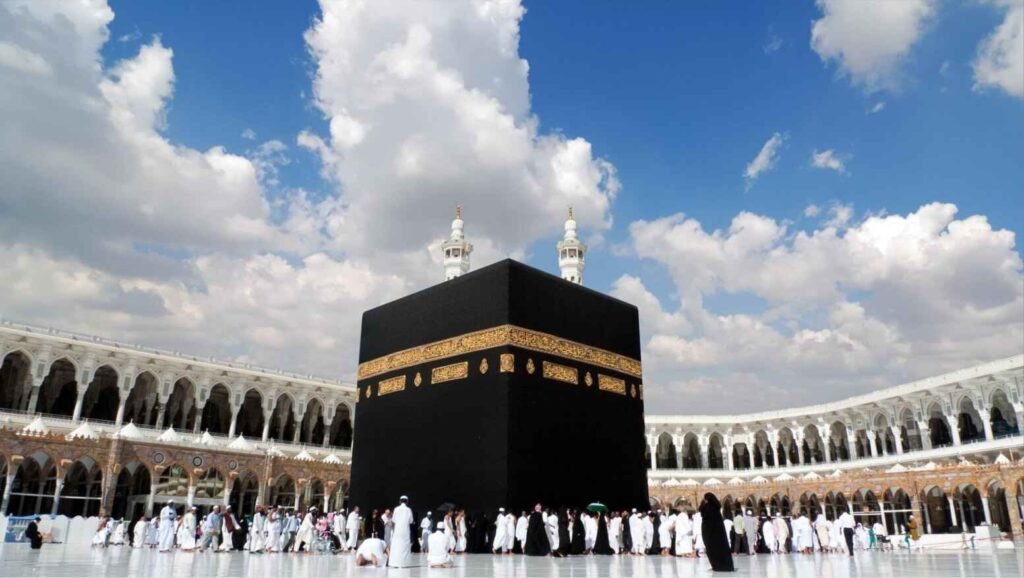
Masjid Al Haram (المسجد الحرام), meaning “the Sacred Mosque,” is the largest mosque in the world and surrounds the Kaaba in the city of Makkah, Saudi Arabia. It is the first of the two holiest sites in Islam, followed by Masjid an-Nabawi in Madinah. Every Muslim who is physically and financially able is obligated to perform Hajj at least once in their lifetime, and Umrah, the “lesser pilgrimage,” can be performed at any time of year, both centered on this mosque.
The mosque complex has been expanded many times over the centuries to accommodate growing numbers of pilgrims, and today it can hold millions of worshippers during peak seasons such as Ramadan and Hajj.
The Kaaba: History and Significance
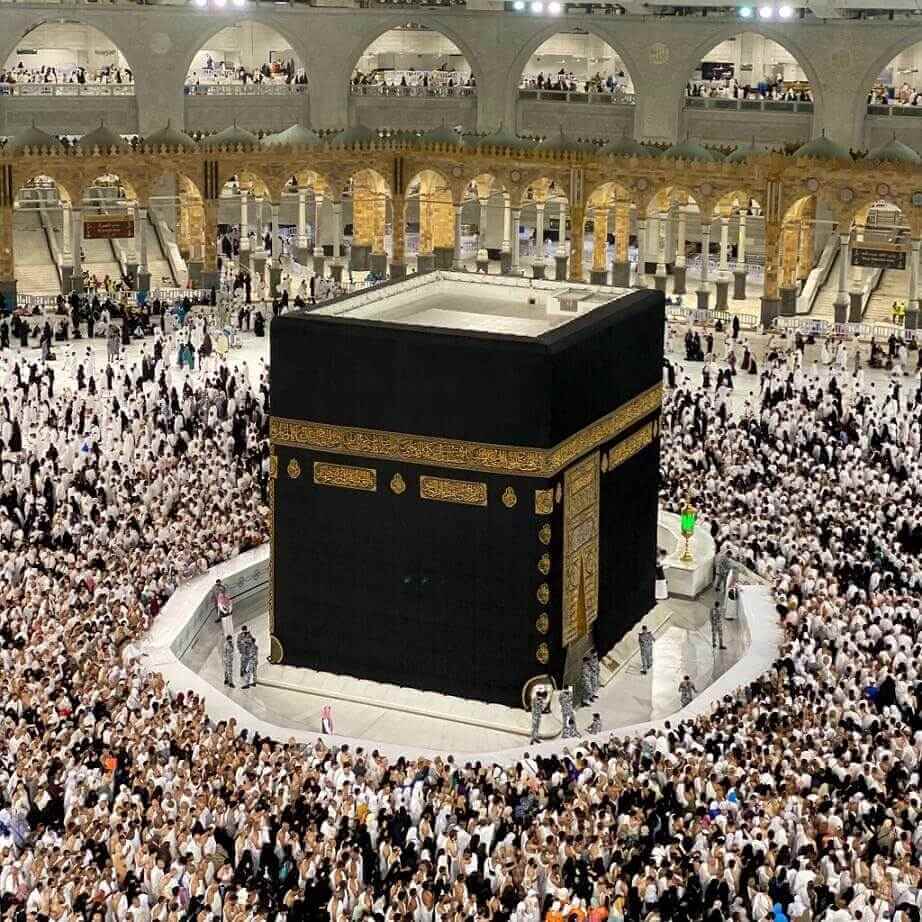
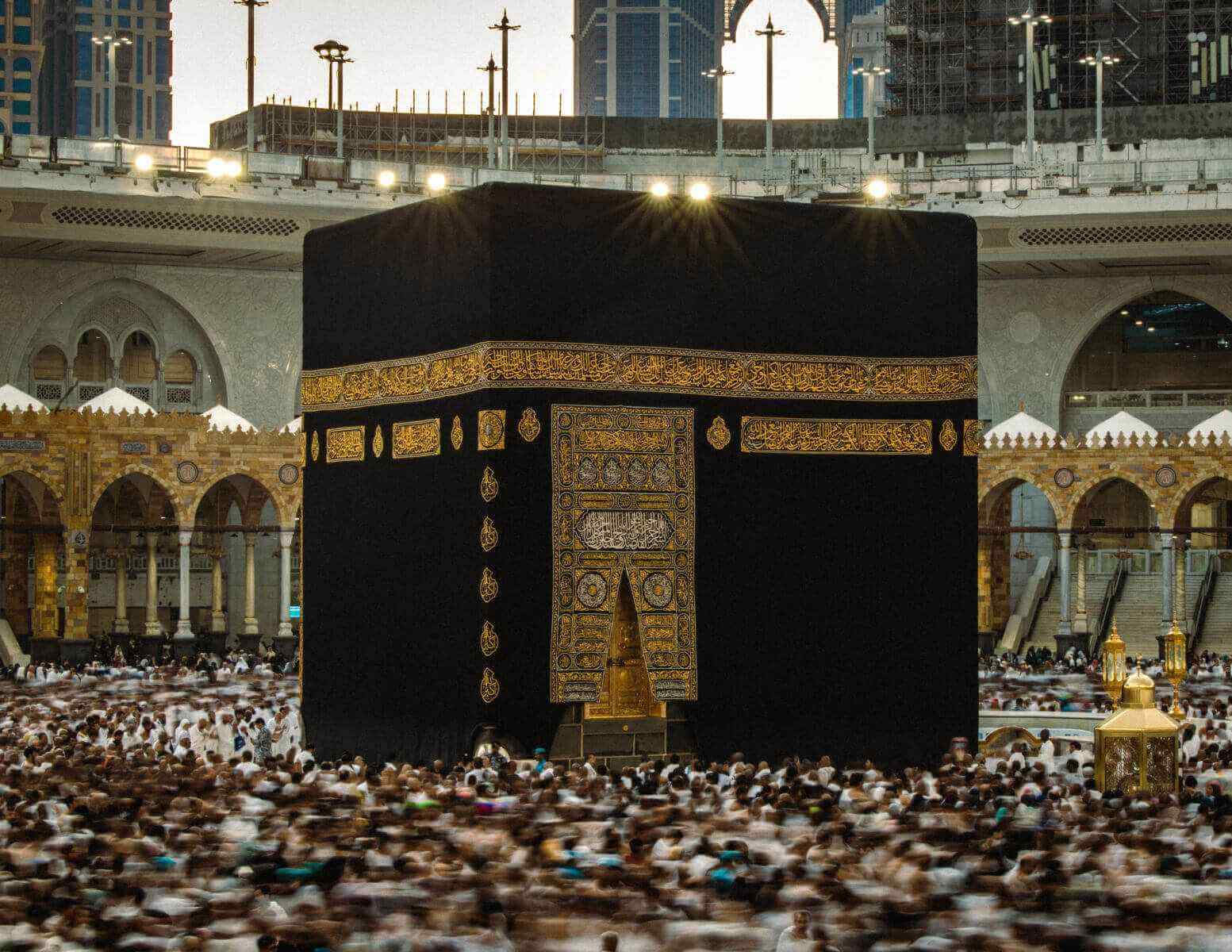
The Kaaba is a cuboid structure draped in the black silk and gold-embroidered Kiswah. Islamic tradition holds that the Kaaba was originally built by Prophet Ibrahim (Abraham) and his son Ismail (Ishmael) as the first house of worship dedicated to the oneness of God. Muslims believe it stands on the site of an even earlier structure established at the time of Adam.
The Black Stone (Al-Hajar Al-Aswad) is set into the eastern corner of the Kaaba and is kissed or pointed to by pilgrims during tawaf, following the practice of Prophet Muhammad ﷺ. The direction of the Kaaba, known as the Qibla, is the point Muslims face during the five daily prayers regardless of where they are in the world.
Key Landmarks Inside Masjid Al Haram
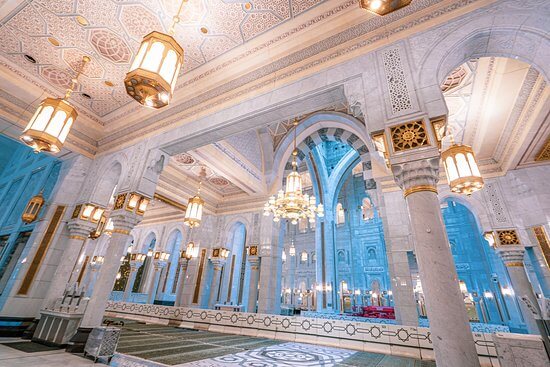
Beyond the Kaaba itself, several sites within the mosque hold religious significance:
- Maqam Ibrahim — the stone bearing the footprint of Prophet Ibrahim, located near the Kaaba.
- Hijr Ismail — the semi-circular low wall adjacent to the Kaaba, believed to be part of the original structure and the resting place of Ismail and his mother Hajar.
- Safa and Marwah — the two small hills connected by a long gallery inside the mosque, where pilgrims perform sa’i, retracing Hajar’s search for water for her son.
- Zamzam Well — the miraculous spring that emerged for Hajar and Ismail, whose water is available to pilgrims throughout the mosque.
Rituals Performed at Masjid Al Haram
Pilgrims and visitors typically perform the following acts of worship at the mosque:
- Tawaf — circling the Kaaba seven times in a counter-clockwise direction, a core ritual of both Umrah and Hajj.
- Sa’i — walking seven times between Safa and Marwah.
- Salah (prayer) — praying at the mosque is considered many times more rewarding than praying elsewhere, according to Islamic teaching.
- Drinking Zamzam water — a widely practiced sunnah for pilgrims.
Best Times to Visit
Masjid Al Haram is open around the clock, but crowd levels vary significantly by season and time of day:
- Ramadan and Hajj season are the busiest periods, with the mosque reaching capacity during Taraweeh and the days of Hajj.
- Late night and pre-dawn hours (after Isha and before Fajr) tend to be calmer for tawaf outside peak seasons.
- Off-peak months (outside Ramadan and Hajj) generally offer a more spacious experience for performing Umrah rituals comfortably.
Visitor Etiquette and Dress Code
- Men in ihram wear two seamless white cloths; outside ihram, modest clothing covering the shoulders and knees is expected.
- Women should wear loose, modest clothing that covers the body, with hair covered.
- Maintain calm and respectful behavior, especially in crowded areas near the Kaaba and during tawaf.
- Photography should be limited and never intrusive to worshippers absorbed in prayer.
- Follow the directions of mosque officials and crowd-control staff, particularly during peak times.
Getting to Masjid Al Haram
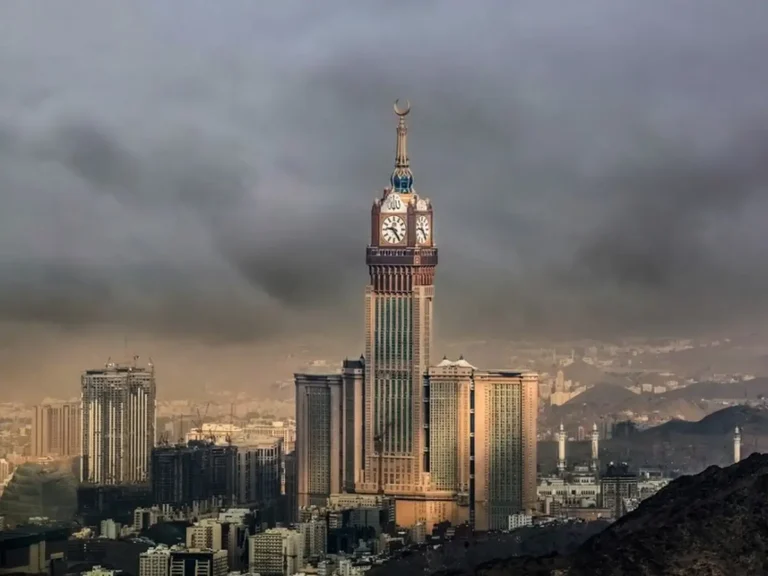
Most hotels in Makkah’s Central Zone (Ajyad, Ibrahim Al Khalil, Aziziyah, and the Clock Tower district) are within walking distance of the mosque. Visitors staying farther out, or those arriving from Jeddah, Madinah, or Taif, typically rely on private transportation to reach the Haram comfortably, especially when traveling with luggage, elderly family members, or young children.
A private Makkah Ziyarat Taxi is a convenient option for airport transfers, hotel pickup, and drop-off directly at the mosque gates, avoiding the crowds and walking distances that can be tiring for pilgrims, particularly after long flights or during hot weather.
Exploring Makkah’s Other Ziyarat Sites
Once the primary rituals at Masjid Al Haram are complete, many pilgrims choose to visit the historic Islamic landmarks surrounding Makkah that carry deep religious meaning:
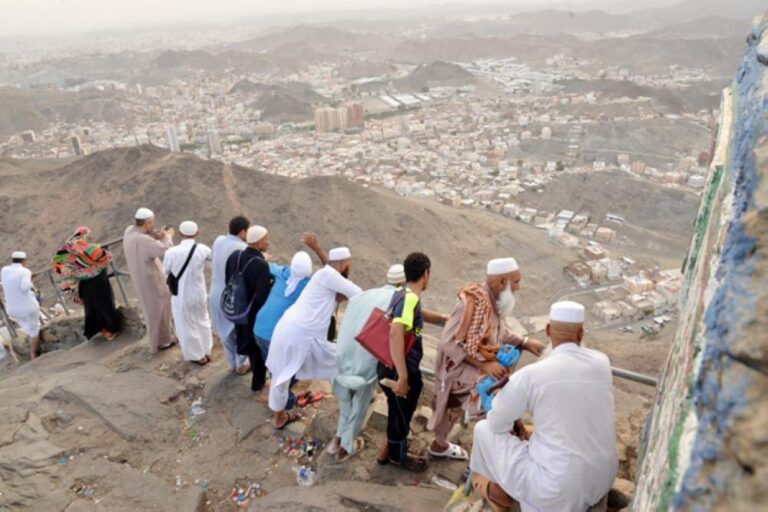
- Cave of Hira, on Jabal al-Noor, where Prophet Muhammad ﷺ received the first revelation.
- Cave of Thawr, on Jabal Thawr, where the Prophet ﷺ and Abu Bakr took refuge during the migration to Madinah.
- Jannat al-Mu’alla, the historic cemetery where many of the Prophet’s family members are buried.
- Masjid Aisha (Masjid Taneem), the miqat point where many pilgrims enter ihram for an additional Umrah.
- Masjid Ji’ranah, another well-known miqat associated with the Prophet’s post-battle rituals.
- Mina, Arafat, and Muzdalifah, the essential sites of the Hajj journey, along with Masjid Nimrah and Masjid Al-Khaif.
These sites are spread across Makkah and its outskirts, and distances between them make walking impractical. A private Ziyarat taxi allows pilgrims to visit multiple locations at their own pace, with flexible stops and waiting time built into the itinerary, rather than rushing through a fixed group schedule.
Travelers can conveniently book a private Ziyarat taxi through Makkah Ziyarat Taxi for a comfortable, hassle-free tour that covers as many or as few of these sites as desired, with door-to-door hotel pickup and drop-off included.
Travel Tips for Families, Elderly, and Groups
- Families benefit from a private family taxi rather than shared transport, keeping the group together and allowing stops for rest or refreshments.
- Elderly pilgrims often find a private, air-conditioned vehicle far more comfortable than walking long distances between sites, especially in Makkah’s heat.
- Larger groups may prefer a spacious vehicle such as a Hyundai Staria, Toyota Hiace, GMC Yukon, or a Coaster bus, depending on group size.
- Half-day or full-day Ziyarat tours work well for visitors who want to cover several historical sites without the fatigue of navigating public transport or long walks.
For any of these situations, contacting Makkah Ziyarat Taxi on WhatsApp at +966 57 4915 372 makes it easy to arrange a vehicle suited to the group’s size and schedule, whether it’s a quick transfer to Masjid Al Haram or a full itinerary covering Cave of Hira, Jabal Thawr, and the Hajj sites.
FAQs
1. What is the difference between Masjid Al Haram and the Kaaba?
Masjid Al Haram is the mosque complex, while the Kaaba is the cube-shaped structure at its center that Muslims face during prayer.
2. Can non-Muslims visit Masjid Al Haram?
No. Entry to Makkah, including Masjid Al Haram, is restricted to Muslims only.
3. How many times should pilgrims circle the Kaaba during tawaf?
Seven times, moving in a counter-clockwise direction.
4. What is the significance of the Black Stone?
The Black Stone is set into the Kaaba’s eastern corner and is kissed or pointed to during tawaf, following the practice of Prophet Muhammad ﷺ.
5. Is Zamzam water available inside the mosque?
Yes, Zamzam water is freely available throughout Masjid Al Haram for pilgrims and visitors.
6. What is the best time to perform tawaf with fewer crowds?
Late night hours after Isha prayer and the period before Fajr are generally less crowded, outside of Ramadan and Hajj season.
7. How far is Masjid Al Haram from other Ziyarat sites like Jabal al-Noor?
Jabal al-Noor and the Cave of Hira are located on the outskirts of Makkah, a drive of roughly 20–30 minutes from the Haram depending on traffic, making private transport the most practical option.
8. What should I wear when visiting Masjid Al Haram?
Men in ihram wear the two-piece white cloth; otherwise, modest clothing covering the shoulders and knees is required for both men and women.
9. Can I book a private taxi for a full-day Ziyarat tour covering multiple sites?
Yes, private Ziyarat taxi services allow flexible, multi-stop itineraries covering sites such as Cave of Hira, Cave of Thawr, Jannat al-Mu’alla, and the Hajj locations in a single trip.
10. Is it possible to arrange hotel pickup for a Ziyarat tour?
Yes, most private Ziyarat taxi providers, including Makkah Ziyarat Taxi, offer door-to-door hotel pickup and drop-off.
11. What vehicles are suitable for a family Ziyarat trip?
Sedans such as the Toyota Camry suit smaller families, while larger groups often choose a Hyundai Staria, Toyota Hiace, GMC Yukon, or Coaster bus.
12. Is Masjid Al Haram accessible for elderly or wheelchair users?
Yes, the mosque has designated accessible pathways and elevators, though a private taxi to the nearest gate is recommended to minimize walking distance for elderly visitors.
13. When is Masjid Al Haram most crowded?
The mosque is busiest during Ramadan, especially in the last ten nights, and throughout the Hajj season.
14. How do I book a Ziyarat taxi in Makkah?
Visitors can book directly via WhatsApp at +966 57 4915 372 or through makkahziyarat.taxi to arrange pickup times and vehicle type in advance.
15. Should I visit Ziyarat sites before or after performing Umrah?
Most pilgrims complete their Umrah rituals at Masjid Al Haram first, then arrange Ziyarat tours to the surrounding historical sites afterward, once their primary worship is complete.
Plan your Ziyarat journey around Masjid Al Haram with a private, comfortable taxi service. Contact Makkah Ziyarat Taxi on WhatsApp at +966 57 4915 372 or visit makkahziyarat.taxi to arrange your hotel pickup and itinerary today.