Masjid al-Ji’ranah: Complete Makkah Ziyarat Guide
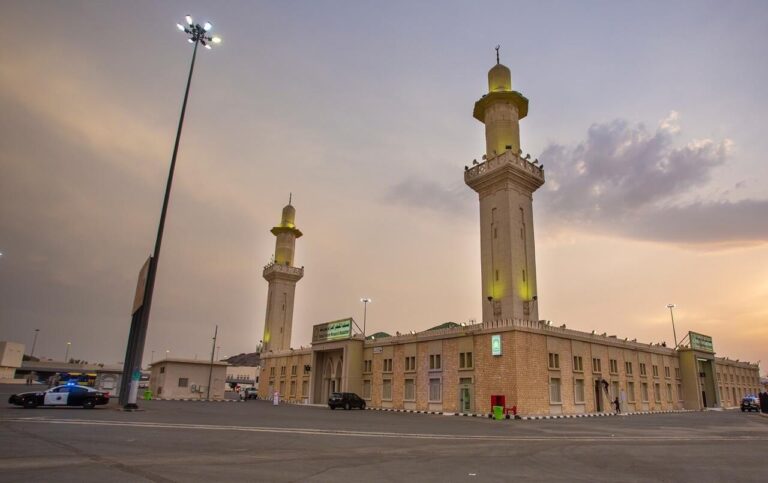
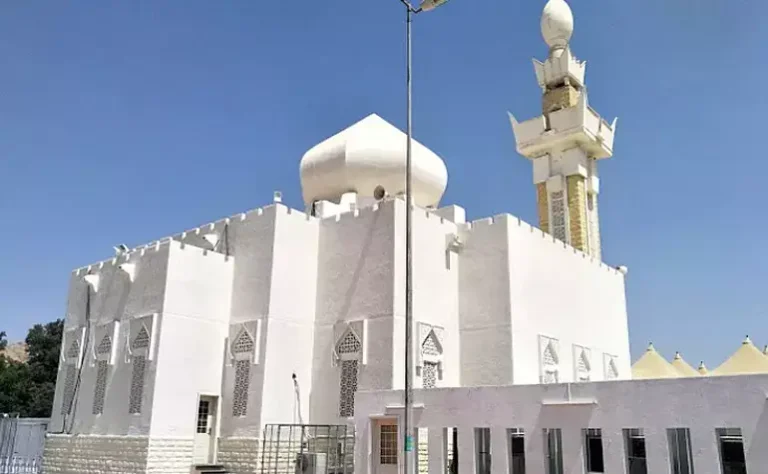
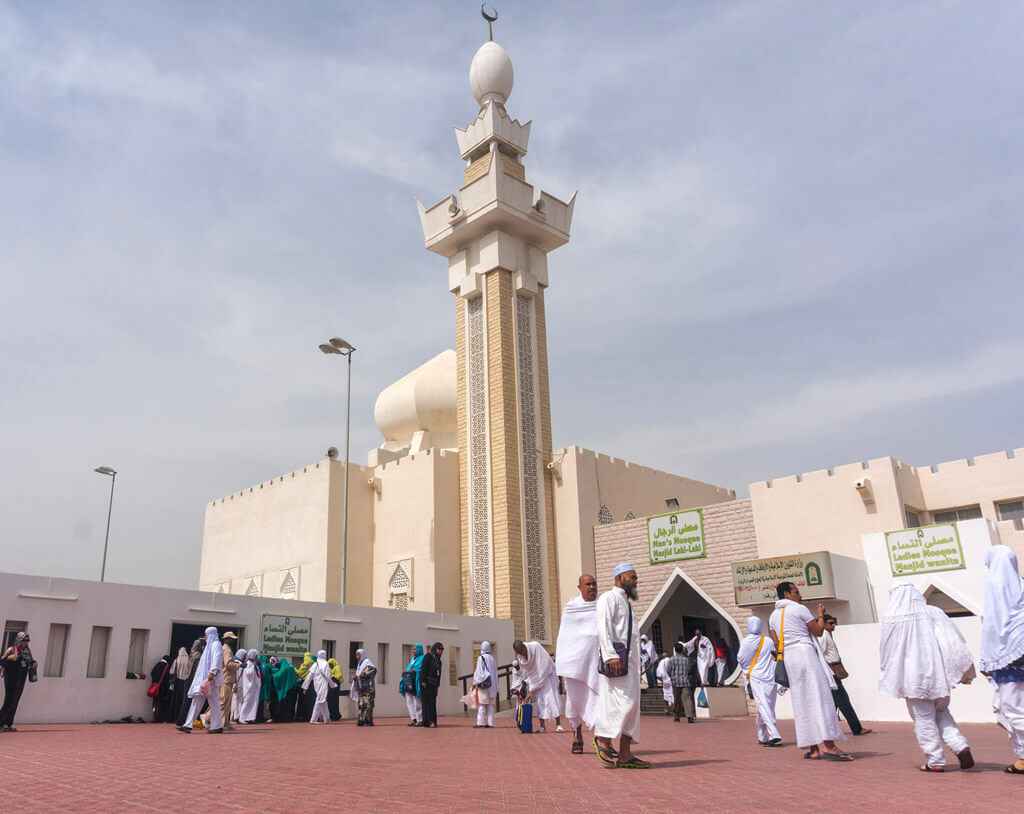
Masjid al-Ji’ranah (مسجد الجعرانة), often written as Masjid Jurana or Masjid Ji’ranah, is one of the most spiritually significant yet quietly visited sites near Makkah. It marks the exact place where Prophet Muhammad ﷺ entered the state of Ihram to perform Umrah after the Battle of Hunayn — making it not only a historical landmark but also an active Miqat that pilgrims use today.
If you’re staying in Makkah and planning an additional Umrah, or simply want to walk in the footsteps of the Prophet ﷺ, this guide covers everything you need: the mosque’s history, its status as a Miqat, distance and travel time from Masjid al-Haram, the best way to reach it, and practical tips for a smooth, respectful visit.
What Is Masjid al-Ji’ranah?
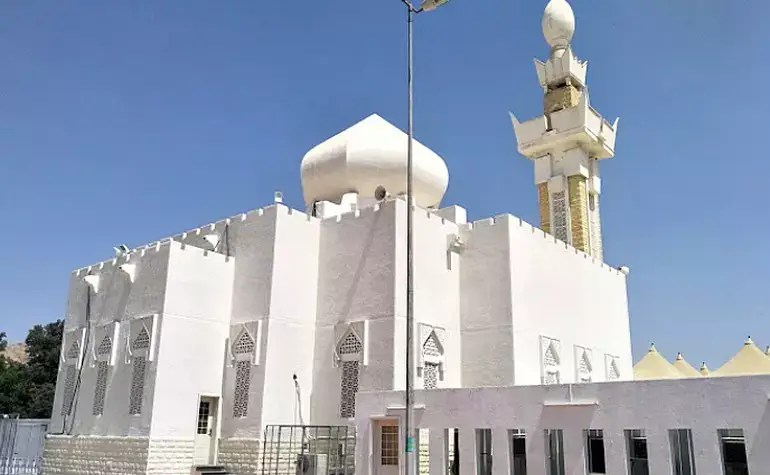
Masjid al-Ji’ranah is a mosque located northeast of Makkah, on the route toward Ta’if. It stands at the site where the Prophet ﷺ camped after the Battle of Hunayn in 8 AH (630 CE) and from where he entered Ihram for what is recorded as his third Umrah. Because of this direct Prophetic action, the mosque holds enduring religious weight for Muslims who wish to follow the Sunnah when performing an additional Umrah from within Makkah.
The area is named after a woman associated with the Quraysh tribe, and the site has been rebuilt and expanded several times over the centuries while preserving its historical identity and spiritual purpose.
The Story Behind the Site
After the Conquest of Makkah, the Muslim army confronted the tribes of Hawazin and Thaqif at the Battle of Hunayn. Following an initially difficult start, the Muslims achieved a decisive victory and gathered a large amount of war spoils, including thousands of camels, sheep, silver, and captives. The Prophet ﷺ camped at Ji’ranah for roughly ten days, distributing the spoils with notable generosity and wisdom — even addressing concerns among the Ansar with a speech remembered for its humility and fairness.
It was from this same location, after settling the affairs of Hunayn, that the Prophet ﷺ entered Ihram and proceeded to Makkah to perform Umrah. This event is what transformed Ji’ranah from a wartime campsite into a place of lasting devotional significance.
Is Masjid al-Ji’ranah a Miqat?
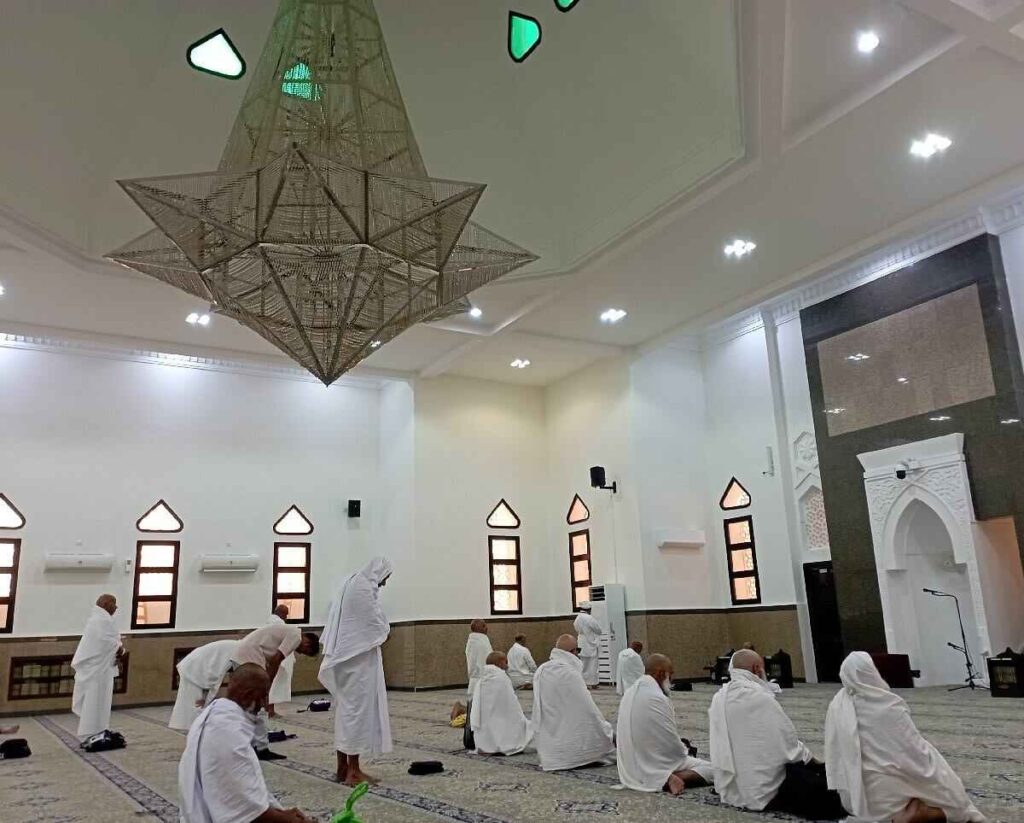
Yes. Masjid al-Ji’ranah is recognized as a valid Miqat — a boundary point where pilgrims must enter Ihram before performing Hajj or Umrah. Unlike the five primary Mawaqit used by pilgrims arriving from outside Saudi Arabia (Dhu’l-Hulayfah, Al-Juhfah, Qarn al-Manazil, Yalamlam, and Dhat Irq), Ji’ranah specifically serves:
- Residents of Makkah and pilgrims already staying within the Haram boundary who wish to perform an extra Umrah
- Pilgrims who want to follow the Prophetic Sunnah by using the same Miqat the Prophet ﷺ used
- Visitors coming from the direction of Ta’if
According to scholars of the Maliki, Shafi’i, and Hanbali schools, Ji’ranah is considered one of the most preferred places within reach of Makkah to enter Ihram for Umrah, alongside the more commonly used Masjid Aisha (Taneem). Many pilgrims who are aware of its history specifically choose Ji’ranah for the added spiritual reward of following the Prophet’s own example.
Distance and Travel Time From Masjid al-Haram
Masjid al-Ji’ranah is located approximately 24 to 26 kilometers northeast of Masjid al-Haram, along the road connecting Makkah to Ta’if. By private car, the journey typically takes between 30 and 40 minutes, depending on traffic, time of day, and the season. Travel time can extend noticeably during Ramadan, peak Umrah periods, and around prayer times, when roads leading out of central Makkah become busier.
Because the site sits outside the Haram boundary but still within a manageable drive, it’s a realistic half-day or add-on Ziyarat stop rather than a full-day excursion — especially when paired with other historical sites such as the Cave of Hira, Jabal al-Noor, or Jannat al-Mu’alla.
How to Get to Masjid al-Ji’ranah
There are a few ways pilgrims typically reach Ji’ranah:
- Public or shared transport — inconsistent schedules and limited direct routes make this the least practical option for most visitors.
- Ride-hailing apps — available, but drivers are not always familiar with pilgrim etiquette, Ihram timing, or the flexibility needed for a Ziyarat stop.
- A private Ziyarat taxi — the most comfortable and flexible option, particularly for families, elderly pilgrims, or anyone who wants to enter Ihram calmly without rushing.
Since entering Ihram at Ji’ranah is a deliberate act of worship, most pilgrims prefer not to negotiate fares or navigate unfamiliar routes at that moment. This is where booking a private Makkah Ziyarat taxi through Makkah Ziyarat Taxi makes a genuine difference. A private driver can pick you up directly from your hotel, take you to Masjid al-Ji’ranah at a comfortable pace, wait while you perform ghusl and enter Ihram, and then return you to Masjid al-Haram — all without the pressure of a shared vehicle or fixed schedule.
What to Expect When You Visit
Before You Go
- Perform ghusl (ritual bath) either at your hotel or at the mosque’s facilities before entering Ihram, depending on your preference.
- Trim nails and remove unwanted hair beforehand, as is customary before Ihram.
- Wear your Ihram garments, or bring them with you to change on arrival if you prefer to travel in regular clothes first.
- Set your intention (niyyah) for Umrah once you are ready to begin.
At the Mosque
Masjid al-Ji’ranah is modest in size compared to Masjid al-Haram, with a calm, unhurried atmosphere that many pilgrims find spiritually grounding. Facilities typically include ablution areas, restrooms, and space to change into Ihram. Because it receives far fewer visitors than sites within central Makkah, it offers a quieter, more reflective experience — ideal for pilgrims seeking a deeper connection to the Prophetic Sunnah away from crowds.
Visitor Etiquette
- Maintain the same respect and quiet demeanor expected at any mosque connected to the Prophet’s life.
- Photography of the mosque exterior is generally acceptable, but avoid photographing other worshippers, especially women, without permission.
- Keep conversations low, particularly for those who are in the process of entering Ihram nearby.
- Follow staff instructions regarding parking, entry points, and facility use, especially during busy Umrah seasons.
Best Time to Visit
Early morning or late afternoon visits tend to be more comfortable, avoiding both the midday heat and the heavier traffic that builds up around prayer times. During Ramadan and the Hajj season, the route to Ji’ranah can be significantly busier, so travelers who value a calm, unrushed Ihram experience often prefer visiting during off-peak months or scheduling their trip well outside prayer windows. Regardless of the season, allowing extra buffer time is wise — this is exactly the kind of flexibility a private Ziyarat taxi provides, since the driver waits for you rather than working on a fixed timetable.
Traveling With Family, Elderly Pilgrims, or in a Group
Ji’ranah’s distance from central Makkah makes vehicle choice an important consideration:
- Families with children often prefer a spacious sedan or family van so everyone can travel together comfortably.
- Elderly or less mobile pilgrims benefit from a private vehicle with door-to-door pickup, avoiding long walks or transfers between different modes of transport.
- Groups performing Umrah together typically need a larger vehicle such as a Hyundai Staria, Toyota Hiace, or GMC Yukon to keep everyone in one trip rather than splitting across multiple cars.
Makkah Ziyarat Taxi offers private family and group transportation with a range of vehicles — from comfortable sedans to larger vans and SUVs — so pilgrims of any group size can travel together, at their own pace, with hotel pickup and drop-off included.
Combining Ji’ranah With Other Ziyarat Sites
Many pilgrims choose to pair a Ji’ranah trip with other historically significant locations in and around Makkah, since a private taxi allows multiple stops in a single, flexible itinerary. Commonly combined destinations include:
- Cave of Hira and Jabal al-Noor, where the first revelation was received
- Cave of Thawr and Jabal Thawr, linked to the Prophet’s migration to Madinah
- Jannat al-Mu’alla, the historic cemetery in Makkah
- Masjid Aisha (Masjid Taneem), the most commonly used Miqat for Umrah within Makkah
- Masjid Nimrah and Masjid Al-Khaif, significant during the Hajj season
Because these sites are spread across different directions from central Makkah, a flexible, multi-stop private Ziyarat tour is far more practical than arranging separate rides for each location. Booking one private vehicle for a half-day or full-day tour through Makkah Ziyarat Taxi allows pilgrims to visit several landmarks comfortably in one outing, with the driver adjusting the pace to suit prayer times, Ihram needs, and rest breaks.
Why Pilgrims Choose Private Transportation for Ji’ranah
Entering Ihram is not a moment to rush. A shared taxi or ride-hailing trip can mean unpredictable pickup times, unfamiliar drivers, and little flexibility if you need extra time at the mosque. A private Ziyarat taxi removes these uncertainties by offering:
- Direct hotel pickup and drop-off, so there’s no need to arrange separate transport to a meeting point
- A driver who waits during ghusl, Ihram preparation, and prayer, rather than working on a meter or a fixed schedule
- Comfortable, air-conditioned vehicles suited to Makkah’s climate
- The flexibility to add nearby sites to the same trip
- A calmer, more dignified experience for elderly pilgrims, families, and those unfamiliar with the route
How to Book a Private Taxi to Masjid al-Ji’ranah
Booking is straightforward. Visit https://makkahziyarat.taxi to review available vehicles and Ziyarat packages, or message the team directly on WhatsApp at +966 57 4915 372 to arrange pickup timing, vehicle type, and any additional stops you’d like to include — such as Masjid Aisha, the Cave of Hira, or Jannat al-Mu’alla. The team can also help plan the trip around prayer times and your Ihram timing so the visit stays comfortable and unhurried from start to finish.
FAQs
Where is Masjid al-Ji’ranah located?
It is located northeast of Makkah, along the road toward Ta’if, approximately 24–26 kilometers from Masjid al-Haram.
Is Masjid al-Ji’ranah a Miqat?
Yes. It is a recognized Miqat, primarily used by residents of Makkah and pilgrims already inside the Haram boundary who wish to perform an additional Umrah, following the Sunnah of the Prophet ﷺ.
How long does it take to reach Masjid al-Ji’ranah from Masjid al-Haram?
By private car, the journey usually takes 30 to 40 minutes, though this can vary with traffic, time of day, and season.
Why did the Prophet ﷺ enter Ihram at Ji’ranah?
After the Battle of Hunayn, the Prophet ﷺ camped at Ji’ranah to distribute war spoils. From there, he entered Ihram and performed his third Umrah, giving the site lasting religious significance.
Is Masjid al-Ji’ranah better than Masjid Aisha (Taneem) for entering Ihram?
Both are valid options within Makkah. Masjid Aisha is closer and more commonly used, while Ji’ranah is preferred by pilgrims who specifically wish to follow the exact Miqat the Prophet ﷺ used himself.
Can I visit Masjid al-Ji’ranah without performing Umrah?
Yes, visiting the site itself does not require entering Ihram. Many visitors go purely to see the historical location, though most pilgrims combine the visit with entering Ihram for an additional Umrah.
What facilities are available at Masjid al-Ji’ranah?
The mosque has ablution areas, restrooms, and space for changing into Ihram, though facilities are more modest than those at Masjid al-Haram.
What is the best time to visit Masjid al-Ji’ranah?
Early morning or late afternoon, outside of prayer times and peak traffic hours, tends to offer the most comfortable experience.
Is Masjid al-Ji’ranah busy during Ramadan or Hajj season?
Traffic on the route can increase significantly during these periods, so allowing extra travel time or scheduling the visit outside peak hours is recommended.
Can families and elderly pilgrims travel comfortably to Ji’ranah?
Yes, especially with a private taxi that offers hotel pickup, a comfortable vehicle, and flexible timing suited to slower-paced travel.
Can I combine a trip to Ji’ranah with other Ziyarat sites?
Yes. Many pilgrims combine it with the Cave of Hira, Jabal al-Noor, Cave of Thawr, Jannat al-Mu’alla, or Masjid Aisha in a single half-day or full-day private tour.
How do I book a private taxi to Masjid al-Ji’ranah?
You can book through makkahziyarat.taxi or contact the team directly on WhatsApp at +966 57 4915 372 to arrange pickup and itinerary details.
What vehicle is recommended for a Ji’ranah Ziyarat trip?
A sedan works well for individuals or couples, while families and groups typically prefer a van or SUV such as a Hyundai Staria, Toyota Hiace, or GMC Yukon.
Do I need to book in advance?
Booking ahead is recommended, particularly during Ramadan, Hajj season, and other peak Umrah periods, to secure your preferred pickup time and vehicle.
Is transportation to Ji’ranah wheelchair accessible?
Private taxi services can typically accommodate mobility needs when arranged in advance — it’s best to mention any accessibility requirements at the time of booking.
Whether you’re planning a single trip to enter Ihram at Ji’ranah or a fuller day of Makkah Ziyarat covering the Cave of Hira, Jannat al-Mu’alla, and other historical sites, a private, unhurried journey makes all the difference. Book your private Ziyarat taxi through Makkah Ziyarat Taxi or message +966 57 4915 372 on WhatsApp to arrange hotel pickup, vehicle selection, and a flexible itinerary built around your worship.