Masjid Nimrah Ziyarat Guide: History, Location, and How to Visit from Makkah
Masjid Nimrah, also spelled Masjid Namirah, is one of the most historically significant mosques connected to the Hajj pilgrimage. Standing on the edge of the plain of Arafat, it marks the place where the Prophet Muhammad (peace be upon him) is believed to have delivered his Farewell Sermon during his final Hajj. For pilgrims and history-minded visitors alike, a Ziyarat to Masjid Nimrah offers a direct connection to one of the most defining moments in Islamic history.
This guide covers everything a visitor needs to know: the mosque’s history and religious significance, its exact location and distance from Masjid al-Haram, the best time to visit, what to expect once there, and how to arrange comfortable, private transportation for the journey.
What Is Masjid Nimrah?

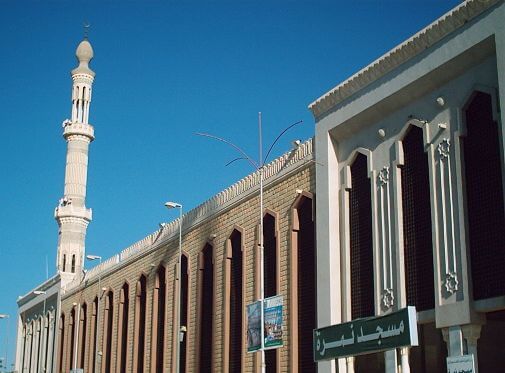
Masjid Nimrah is a large mosque located near the western edge of Arafat, just outside its official boundary. It is one of the largest mosques in the world by capacity, built specifically to accommodate the millions of pilgrims who gather in the area during the Day of Arafat, the central ritual of Hajj.
The mosque takes its name from Nimrah, a valley in the same area where, according to historical accounts, the Prophet Muhammad camped before delivering his sermon. While the mosque itself was constructed centuries after his time, it stands close to the traditional site associated with that sermon, which is why it holds such deep meaning for pilgrims.
An important detail that often confuses first-time visitors: part of Masjid Nimrah lies inside the boundary of Arafat, while another part lies outside it. This distinction matters for Hajj rituals, since the standing (Wuquf) at Arafat must take place within the defined boundary. Local scholars and Hajj guides typically clarify which section of the mosque falls inside Arafat during the pilgrimage season.
Religious and Historical Significance

The significance of Masjid Nimrah is tied directly to the Farewell Sermon (Khutbat al-Wada), delivered by the Prophet Muhammad during his only Hajj, known as Hajjat al-Wada. In this sermon, he addressed core principles of justice, equality, the sanctity of life and property, the rights of women, and the brotherhood of all believers regardless of race or background.
For Muslims, this sermon is regarded as a final, comprehensive summary of Islamic teachings, delivered before large gatherings on the plain of Arafat. Visiting the area near Masjid Nimrah allows pilgrims to stand where these words were spoken and reflect on their meaning.
During Hajj, the mosque plays a functional role as well. The Day of Arafat sermon (Khutbat al-Hajj) is delivered from Masjid Nimrah each year and broadcast to pilgrims across Arafat, connecting today’s gathering to that same historical moment.
Location and Distance from Masjid al-Haram
Masjid Nimrah is located in the Arafat area, roughly 20 to 22 kilometers east of Masjid al-Haram in central Makkah. By road, the journey typically takes between 30 and 45 minutes under normal traffic conditions, though this can extend significantly during the Hajj season when the roads around Arafat, Mina, and Muzdalifah experience heavy congestion.
Outside of the Hajj period, the roads leading to Arafat are generally clear, and the drive is a straightforward one, passing through parts of Mina along the way. This makes Masjid Nimrah a feasible half-day Ziyarat trip for Umrah pilgrims and visitors who want to explore the historical sites connected to Hajj even outside the pilgrimage season.
Best Time to Visit Masjid Nimrah
Outside Hajj season: The mosque and surrounding area are far less crowded, making it easier to visit, take photographs, and reflect without the density of pilgrims present during Hajj. Early morning or late afternoon visits are recommended to avoid the midday heat, which can be intense given Makkah’s desert climate.
During Hajj season: Access to Masjid Nimrah is tightly regulated and tied to the official Hajj schedule, since the mosque is at the center of the Day of Arafat rituals. Independent visits are not practical during this period, and pilgrims follow the movement schedule set by their Hajj group or authorities.
During Ramadan: Many Umrah pilgrims use the quieter days of Ramadan, outside of the final ten nights, to explore historical Ziyarat sites like Masjid Nimrah, Jabal al-Noor, and Jabal Thawr, since travel logistics are simpler when Hajj crowds are absent.
Weather considerations: Arafat and the surrounding desert plain can reach very high temperatures, especially between May and September. Visitors are advised to carry water, wear light and breathable clothing, and avoid prolonged sun exposure. A vehicle with reliable air conditioning is particularly important for this route given the open, exposed terrain around the mosque.
What to Expect When Visiting
Masjid Nimrah is a functioning mosque with prayer halls capable of holding a very large number of worshippers. Outside the Hajj season, visitors will generally find:
- A quieter atmosphere suitable for prayer and reflection
- Clearly marked boundary lines showing which sections fall within Arafat
- Basic facilities including ablution areas and restrooms
- Open courtyards surrounding the main structure
Visitor etiquette at Masjid Nimrah follows the same principles as any mosque visit: modest dress, respectful behavior, and mindfulness of others who may be praying. Photography of the mosque’s exterior and surroundings is generally acceptable, though visitors should be considerate and avoid photographing people who are praying or in private moments of reflection.
Because of the mosque’s connection to the Farewell Sermon, many visitors choose to spend time reading or reflecting on its content while there, making it a meaningful stop rather than a quick photo destination.
Traveling to Masjid Nimrah: Transportation Options
Public transportation options to Arafat are limited outside the official Hajj transport system, which operates only during the pilgrimage period. For the rest of the year, the practical way to reach Masjid Nimrah is by private vehicle, since:
- The distance (20+ km) is too far to walk
- There is no regular public bus route serving casual Ziyarat visitors
- Ride availability in the Arafat area can be inconsistent outside Hajj season
For this reason, most Umrah pilgrims, families, and history-focused travelers arrange a private Ziyarat taxi for the round trip, often combining the visit with other nearby historical sites such as Masjid Al-Khaif in Mina or Jabal Thawr, since these locations sit along a similar route heading out of central Makkah.
Why a Private Taxi Makes Sense for This Trip
A visit to Masjid Nimrah involves travel through Mina and along the Arafat road, an area that can be unfamiliar to first-time visitors and difficult to navigate without local knowledge, particularly around prayer times and during periods of heavy pilgrim traffic. A private driver who knows the area removes this uncertainty entirely.
Booking through Makkah Ziyarat Taxi allows visitors to arrange a comfortable, air-conditioned private vehicle with hotel pickup and drop-off, so the journey to Arafat starts right from the hotel lobby rather than requiring pilgrims to arrange their own transport to a pickup point. This is especially useful for:
- Families and elderly travelers, who benefit from door-to-door service without navigating unfamiliar roads on foot or by public transport
- Groups of pilgrims, who can share a larger vehicle such as a Toyota Hiace or GMC Yukon for a more cost-effective trip
- Visitors combining multiple stops, since a private Ziyarat taxi allows a flexible, multi-stop itinerary covering Masjid Nimrah alongside Mina, Muzdalifah, and other historical Hajj-related sites in a single half-day or full-day tour
Since the trip includes a period of waiting time at the mosque for prayer or reflection, a private taxi is generally more practical than a one-way transfer, as the driver can wait and return the group directly to their hotel once the visit is complete.
Recommended Vehicle Types for This Route
Given the distance and the open desert terrain around Arafat, a comfortable, air-conditioned vehicle is strongly recommended over walking or informal transport. Depending on group size, suitable options include:
- Sedan (Toyota Camry or similar): Ideal for individuals, couples, or small families of up to three passengers
- Family Van (Hyundai Staria or Toyota Hiace): Comfortable for medium-sized families or small groups of four to seven
- SUV (GMC Yukon): A good option for families wanting extra luggage space and a higher-riding, more spacious ride
- Coaster or Bus: Suitable for larger groups or organized Umrah parties visiting Masjid Nimrah as part of a wider historical Ziyarat tour
Makkah Ziyarat Taxi maintains a fleet of newer-model vehicles across these categories, so visitors can select an option that matches their group size and comfort preferences when booking.
Accessibility and Family Travel Considerations
Masjid Nimrah’s large, open courtyards and relatively flat terrain make it more accessible than some of the mountainous Ziyarat sites in Makkah, such as Jabal al-Noor or Jabal Thawr, which involve steep climbs. This makes it a more comfortable option for elderly visitors or those with limited mobility, though the distances within the mosque complex itself can still be considerable.
For families traveling with children or elderly relatives, arranging door-to-door private transport removes much of the physical strain involved in reaching Arafat, since the vehicle can drop passengers close to the mosque entrance rather than requiring a long walk from a public transport drop-off point.
Combining Masjid Nimrah with Other Ziyarat Sites
Because of its location along the route toward Mina and Arafat, Masjid Nimrah is often visited together with other historically significant sites in a single trip, including:
- Masjid Al-Khaif in Mina, associated with the Prophet’s prayers during Hajj
- Muzdalifah, the site where pilgrims gather between Arafat and Mina
- Jamarat, the location of the symbolic stoning ritual during Hajj
- Masjid Aisha, the miqat point for Umrah pilgrims re-entering ihram from within Makkah
A flexible, multi-stop private Ziyarat trip makes it possible to see several of these locations in one organized outing rather than arranging separate trips for each site. Travelers interested in this kind of half-day or full-day historical tour can arrange a customized itinerary through Makkah Ziyarat Taxi, selecting which sites to include based on available time and group interest.
How to Book a Private Ziyarat Taxi to Masjid Nimrah
Booking transportation for a Masjid Nimrah visit is straightforward:
- Decide on your itinerary — a direct round trip, or a combined tour with nearby historical sites
- Choose a vehicle based on group size, from a sedan for individuals to a van or SUV for families and groups
- Contact Makkah Ziyarat Taxi via WhatsApp at +966 57 4915 372 to confirm timing, pickup location, and pricing
- Arrange hotel pickup, so the driver collects the group directly from their accommodation in Makkah
- Enjoy a guided, flexible trip, with the driver waiting during the visit and returning passengers to their hotel afterward
Visitors can also browse available Ziyarat services and vehicle options directly at makkahziyarat.taxi before reaching out to confirm a booking.
Travel Safety Tips
- Carry sufficient water, especially during the hotter months, since facilities directly around the mosque are limited outside the Hajj period
- Wear comfortable, breathable clothing suited to walking on open, sun-exposed ground
- Confirm pickup and return timing with your driver in advance, particularly around prayer times
- Keep hotel details and contact information accessible in case of any changes to the itinerary
- During Ramadan or busy Umrah periods, book transportation a day in advance where possible, as demand for private vehicles can rise
FAQs
Where is Masjid Nimrah located?
Masjid Nimrah is located at the edge of Arafat, roughly 20 to 22 kilometers east of Masjid al-Haram in Makkah.
What is Masjid Nimrah famous for?
It is closely associated with the Farewell Sermon delivered by the Prophet Muhammad during his final Hajj, and it hosts the official Day of Arafat sermon each Hajj season.
Is Masjid Nimrah inside or outside the boundary of Arafat?
Part of the mosque lies within the Arafat boundary and part lies outside it. This distinction matters specifically for the Hajj ritual of Wuquf, which must take place within Arafat.
How far is Masjid Nimrah from Masjid al-Haram?
Approximately 20 to 22 kilometers, with a typical drive time of 30 to 45 minutes outside of the Hajj season.
Can I visit Masjid Nimrah outside of Hajj season?
Yes. Outside Hajj, the mosque and surrounding area are open and considerably quieter, making it a suitable stop for Umrah pilgrims and other visitors.
Is Masjid Nimrah open during Hajj for regular visitors?
Access during Hajj is tied to the official pilgrimage schedule and is not practical for independent, non-Hajj visits, since the area is dedicated to Hajj rituals during that period.
What is the best way to get from Makkah to Masjid Nimrah?
A private taxi is the most practical option, since public transport to the area is limited outside the official Hajj transport system. A private driver familiar with the route can also wait during the visit.
Can I combine a Masjid Nimrah visit with other Ziyarat sites?
Yes. It is commonly combined with nearby locations such as Masjid Al-Khaif in Mina, Muzdalifah, and the Jamarat site as part of a broader historical Ziyarat tour.
Is Masjid Nimrah suitable for elderly visitors or families with children?
Its relatively flat, open terrain makes it more accessible than mountainous sites like Jabal al-Noor. Door-to-door private transport further reduces the physical demands of the trip for elderly travelers and young children.
What should I bring when visiting Masjid Nimrah?
Water, sun protection, comfortable clothing, and modest attire suitable for visiting a mosque are recommended, particularly given the open, exposed terrain around the site.
How much time should I set aside for the visit?
A round trip including time at the mosque typically takes two to three hours from central Makkah, though this can extend if combined with other Ziyarat stops.
Are there facilities available at Masjid Nimrah?
Basic facilities including ablution areas and restrooms are available at the mosque, though amenities are more limited than at Masjid al-Haram.
Is it possible to visit Masjid Nimrah during Ramadan?
Yes, and many Umrah pilgrims choose Ramadan (outside the final ten nights) to explore historical Ziyarat sites, since travel is generally more manageable during this period.
What vehicle is best for a family visiting Masjid Nimrah?
A family van such as a Hyundai Staria or Toyota Hiace is a comfortable choice for medium-sized families, while an SUV like the GMC Yukon suits families wanting more luggage space.
How do I book a private taxi to Masjid Nimrah?
Visitors can contact Makkah Ziyarat Taxi directly via WhatsApp at +966 57 4915 372 or visit makkahziyarat.taxi to arrange hotel pickup, vehicle selection, and itinerary planning.
Final Thoughts
A visit to Masjid Nimrah offers more than a stop on a sightseeing list. It connects visitors to the plain where the Prophet Muhammad delivered his final and most comprehensive message to the Muslim community, a moment that continues to shape Islamic values today. Whether planned as a standalone Ziyarat trip or combined with other historical sites around Mina and Arafat, the journey is best made comfortably and without logistical stress.
For a smooth, well-organized visit, reach out to Makkah Ziyarat Taxi on WhatsApp at +966 57 4915 372 or visit makkahziyarat.taxi to arrange private, hotel-to-hotel transportation to Masjid Nimrah and the surrounding historical sites of Makkah.