How to Visit Cave Hira (Jabal Al Noor) in 2026: Taxi, Cable Car, and Best Time to Go
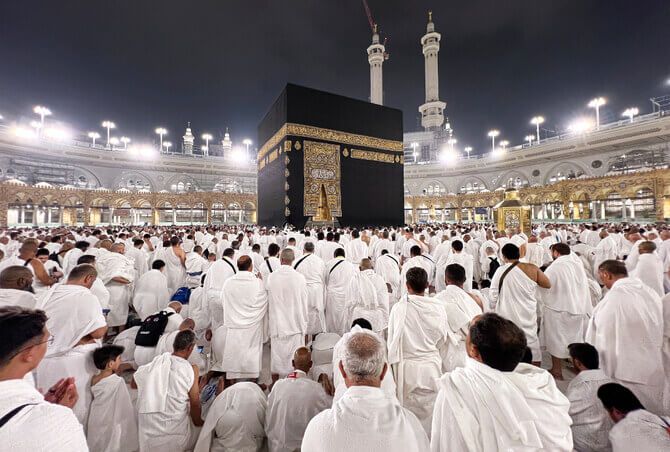
Cave Hira sits near the summit of Jabal al-Noor, the “Mountain of Light,” roughly 4-5 kilometers northeast of Masjid al-Haram in Makkah. For Muslims, this small, unassuming cave holds enormous significance: it is where Prophet Muhammad (peace be upon him) received the first revelation of the Quran through the Angel Jibreel (Gabriel). Every year, hundreds of thousands of Umrah and Hajj pilgrims make the climb – or arrange transport as close to it as possible – to stand where Islamic history began.
This guide walks you through everything you need to know to visit Cave Hira in 2026: how to get there from Masjid al-Haram, whether to hike or wait for a cable car, how long the climb takes, the best time of day to go, what to expect at the top, and how to arrange comfortable private transportation so you can spend your energy on the climb rather than on logistics.
How to Get to Cave Hira
The fastest and most comfortable way to reach the base of Jabal al-Noor from Masjid al-Haram is by private taxi, which takes about 10-15 minutes depending on traffic and your hotel’s location. From the drop-off point at the base of the mountain, visitors climb on foot via a stone stairway; the ascent typically takes 45 minutes to 1.5 hours depending on fitness level and how often you stop to rest. As of 2026, there is no operating public cable car to the summit of Jabal al-Noor — visitors should plan for a walking climb and arrange transport for the road portion of the journey.
Where Is Cave Hira and Why It Matters
Location and Religious Significance
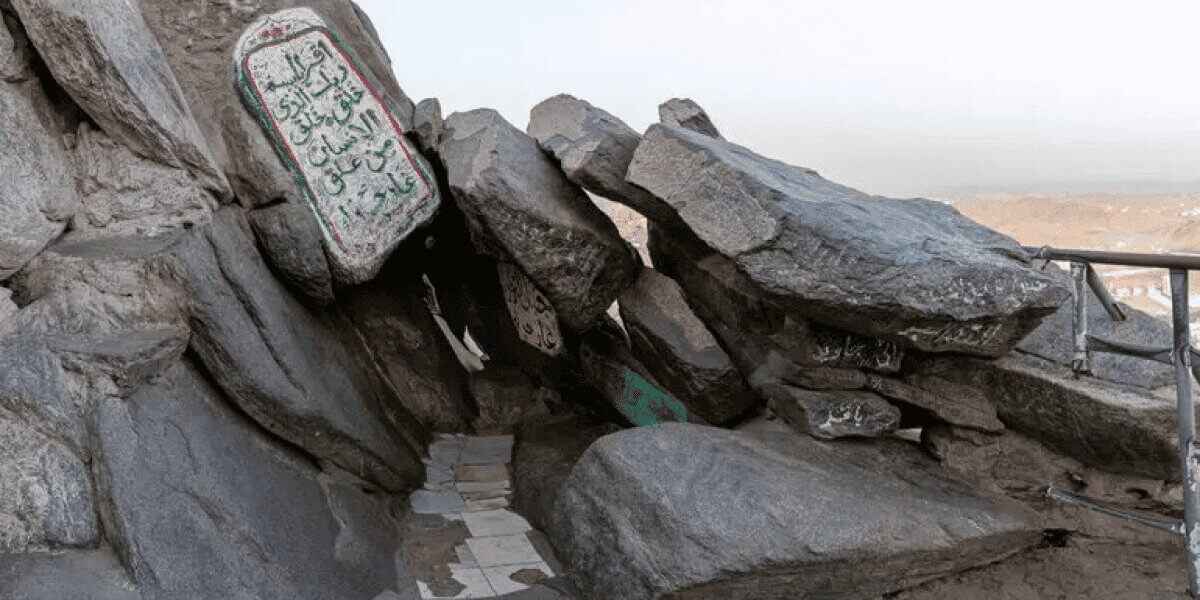
Cave Hira is a narrow cleft near the peak of Jabal al-Noor, at an elevation of around 640-680 meters above sea level. Before Islam, Prophet Muhammad would retreat here for quiet reflection. It was in this cave, at around age 40, that he received the first Quranic verses beginning with “Iqra” (Read), marking the start of his prophethood. For this reason, Cave Hira is considered one of the most spiritually significant historical sites connected to early Islam, alongside Cave Thawr, Jabal Thawr, and the other Ziyarat locations around Makkah.
Because of this history, Cave Hira draws a steady stream of pilgrims performing Ziyarat — visits to places of religious and historical importance — during Umrah, Hajj, and general travel to Makkah throughout the year.
Distance from Masjid al-Haram
Jabal al-Noor is located roughly 4-5 km from Masjid al-Haram, on the road toward Mina. In light traffic, a private taxi can cover this distance in about 10-15 minutes. During peak Umrah season, Ramadan, or the days surrounding Hajj, traffic around Makkah increases significantly, and the same trip can take 20-30 minutes or longer.
Getting There: Taxi vs. Cable Car vs. Walking
Is There a Cable Car to Jabal Al Noor?
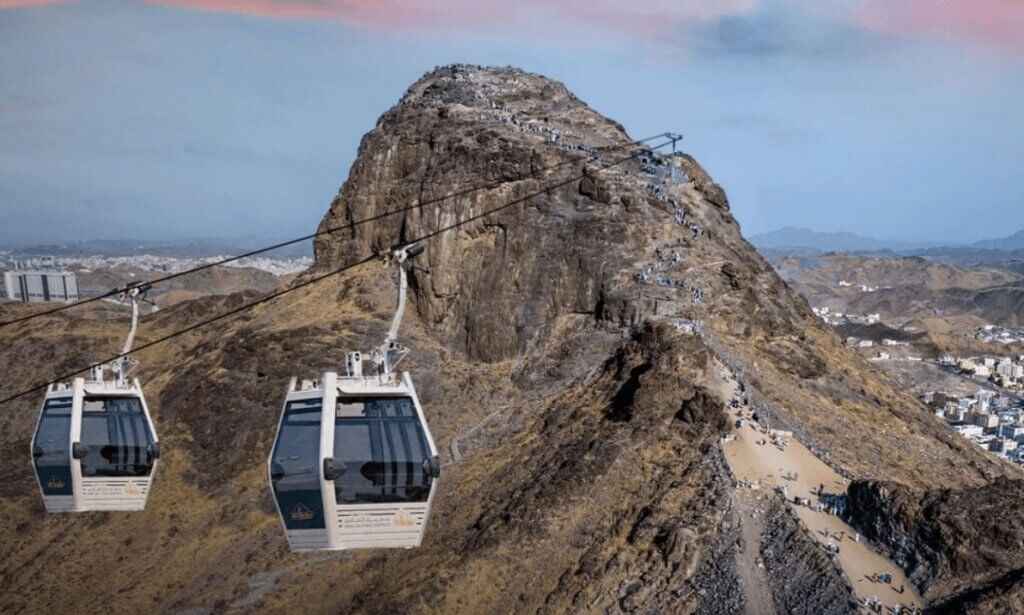
This is one of the most common questions pilgrims ask before their trip. As of 2026, Jabal al-Noor does not have a public cable car in regular operation to the summit near Cave Hira. Plans and proposals for cable car infrastructure around Makkah’s holy sites have circulated over the years, but visitors planning a trip should not rely on a cable car being available and should prepare for the stone stairway climb instead. If infrastructure changes, local authorities and licensed tour operators are typically the fastest way to confirm current access — but the walking route remains the standard and most reliable method today.
Taxi to the Base of Jabal Al Noor
Since there is no cable car, the practical way to reach Cave Hira is:
- Private or licensed taxi from your hotel or Masjid al-Haram to the parking and drop-off area at the base of Jabal al-Noor.
- On-foot climb from the base to the cave near the summit.
- Return taxi from the same drop-off point back to your hotel or the Haram.
A private Cave Hira taxi service is generally the most comfortable option for this route, particularly for families, elderly pilgrims, or anyone traveling during hot weather, because the vehicle waits for you or returns at an agreed time rather than requiring you to search for transport back after a tiring climb. Visitors can book a private Jabal al-Noor taxi through Makkah Ziyarat Taxi for straightforward hotel pickup, a wait-and-return arrangement at the base, and drop-off back at the hotel — removing the guesswork from timing and negotiating fares on the day.
Walking or Public Transport Options
Some pilgrims choose to combine public transport or shared taxis with walking, especially if traveling on a tight budget. This can work, but it typically involves more waiting, less predictable pricing, and less flexibility around prayer times, rest stops, or heat exposure. For a first-time visit, especially with family members or older relatives, a private vehicle removes much of this uncertainty.
Climbing Jabal Al Noor: What to Expect
The Stairway and Terrain
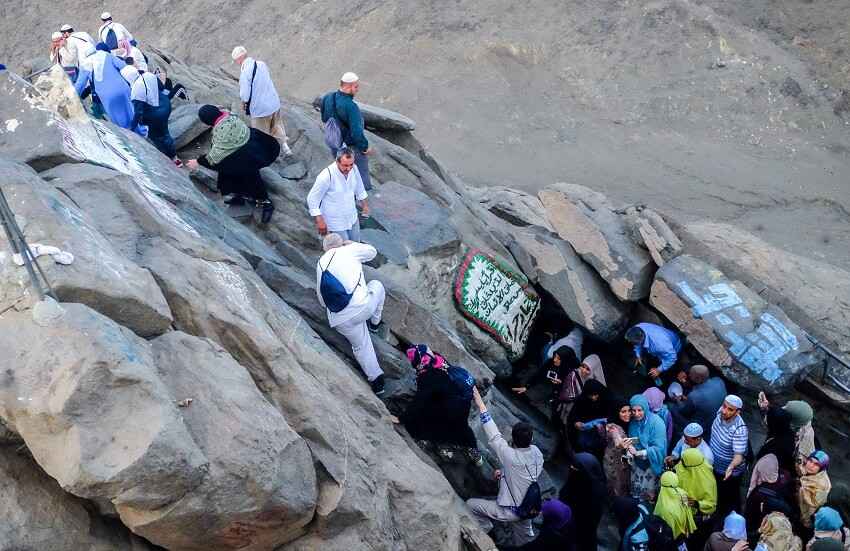
The path to Cave Hira consists of a long, uneven stone stairway carved into the mountainside, with roughly 1,000-1,750 steps depending on how they are counted along the route. The steps vary in height and width, and the path narrows in sections. Handrails exist along parts of the route but not the entire way, so sturdy, closed-toe walking shoes are strongly recommended over sandals.
How Long Does the Climb Take?
Most visitors in reasonable physical condition complete the ascent in 45 minutes to 1 hour, with descent typically faster, around 30-45 minutes. Pilgrims who are older, traveling with young children, or simply want to pace themselves and take photos along the way should budget up to 1.5-2 hours each direction. There is no fixed time limit for the climb, but arriving with a realistic expectation prevents disappointment or unnecessary strain.
Difficulty Level and Who Should Attempt It
The climb is moderately strenuous — steeper and rockier than a casual walk, but achievable for most healthy adults who pace themselves and take breaks. It is not considered wheelchair accessible, and there is currently no accessible path or assisted transport to the cave itself for visitors with significant mobility limitations. Families traveling with elderly relatives or those with mobility concerns may prefer to have some members wait comfortably at the base while others make the climb, which is another reason a private taxi with flexible waiting time is often more practical than public transport with fixed schedules.
Near the Summit and Inside the Cave
The cave entrance itself is small, and the space inside is narrow, so only a limited number of people can enter at a time. Visitors are expected to queue patiently, be respectful of others waiting, and keep the visit brief out of consideration for the line behind them. The summit also offers wide views over Makkah, which many pilgrims find as meaningful as the cave visit itself.
Best Time to Visit Cave Hira
Time of Day
The single most important practical tip for visiting Jabal al-Noor is to avoid the midday heat. Recommended windows are:
- Early morning, shortly after Fajr, when temperatures are coolest and the path is less crowded.
- Late afternoon into evening, after the worst of the afternoon heat has passed, though the descent should ideally be completed before it gets fully dark for safety on the uneven steps.
Midday hours, particularly between roughly 11 AM and 3 PM, should generally be avoided, especially in summer, when direct sun on the exposed stone stairway can make the climb genuinely dangerous for anyone unprepared with water and shade-appropriate clothing.
Seasonal Considerations
- Ramadan: The site sees higher visitor numbers as pilgrims combine Ziyarat with Umrah. Fasting visitors should be especially cautious about attempting the climb during the heat of the day and should strongly consider an early morning or post-Iftar evening visit instead.
- Hajj season: Traffic around Makkah increases substantially, and some roads near the holy sites may have temporary access restrictions. Confirming current access with a knowledgeable local driver before heading out is worthwhile during this period.
- Summer months: Makkah’s summer heat is intense. Carrying water, wearing a hat, and using sun protection are essential regardless of what time of day you go.
- Winter and cooler months: Generally the most comfortable time for the climb, with milder daytime temperatures.
Practical Preparation Tips
- Footwear: Closed, supportive walking shoes — not sandals or flip-flops.
- Water: Carry more than you think you need; there is limited shade along the stairway.
- Sun protection: Hat, sunscreen, and light, breathable clothing appropriate for the climb.
- Timing your taxi: Agree on a pickup window with your driver in advance so you’re not stranded at the base after a tiring descent.
- Photography: Photos are welcome at the summit and along the trail; inside the cave itself, be mindful of the queue and avoid lingering to avoid delaying others waiting to enter.
- Group pacing: If traveling with a mixed-ability group, agree on a turnaround time so faster climbers aren’t waiting indefinitely at the top, and slower climbers don’t feel rushed.
- Combine with other Ziyarat sites: Many pilgrims pair a Jabal al-Noor visit with other historical locations in the same day, such as Jannat al-Mu’alla or sites toward Mina, which is far easier to coordinate with a private vehicle than with public transport.
Booking a Private Cave Hira Taxi
For pilgrims and families who want to avoid the stress of negotiating fares, waiting for shared transport, or figuring out where exactly to be dropped off, a private Ziyarat taxi is generally the simplest solution. A well-organized Cave Hira taxi service typically includes:
- Hotel pickup and drop-off, so there’s no need to arrange transport to a separate taxi stand.
- Wait-and-return service at the base of Jabal al-Noor, meaning the same driver and vehicle are there when you finish the climb.
- Flexible timing, allowing an early-morning or evening departure to avoid the midday heat.
- Air-conditioned, comfortable vehicles suited to families, small groups, or individual travelers — ranging from sedans for one or two people to larger vans or SUVs for families and groups.
- Multi-stop itineraries, combining Jabal al-Noor with other Ziyarat destinations such as Cave of Thawr, Jabal Thawr, Jannat al-Mu’alla, or sites around Mina and Arafat in a single half-day or full-day trip.
Makkah Ziyarat Taxi offers exactly this kind of private, door-to-door service for visitors heading to Cave Hira and the wider Makkah Islamic historical sites, with drivers familiar with the local roads, pickup points, and typical waiting areas at the base of the mountain. Instead of arranging separate transport for each leg of the trip, travelers can book a single private vehicle for the whole outing and adjust the plan on the day if needed — useful for families with children, elderly relatives, or anyone unsure how long their climb will take.
To arrange hotel pickup, a wait-and-return trip to Jabal al-Noor, or a broader Ziyarat itinerary, visitors can reach out directly via WhatsApp at +966 57 4915 372 or through makkahziyarat.taxi.
FAQs
1. How far is Cave Hira from Masjid al-Haram?
Jabal al-Noor, home to Cave Hira, is located about 4-5 km from Masjid al-Haram, roughly a 10-15 minute drive in normal traffic.
2. Is there a cable car to Cave Hira in 2026?
No. As of 2026, there is no publicly operating cable car to the summit of Jabal al-Noor. Visitors reach the cave by climbing the stone stairway on foot after taking transport to the base of the mountain.
3. How long does it take to climb to Cave Hira?
Most visitors take 45 minutes to 1.5 hours to reach the top, with the descent usually somewhat faster. Time varies based on fitness level, weather, and how many rest stops you take.
4. Is the climb to Cave Hira difficult?
It is moderately strenuous, involving a long, uneven stone stairway with significant elevation gain. It’s achievable for most healthy adults but is not recommended for anyone with serious mobility or cardiovascular limitations.
5. Is Jabal al-Noor wheelchair accessible?
No. There is currently no accessible path, ramp, or assisted transport system to the cave for wheelchair users or visitors with significant mobility restrictions.
6. What is the best time of day to visit?
Early morning shortly after Fajr, or late afternoon into evening, to avoid the intense midday heat — particularly important during summer months.
7. Can I visit Cave Hira during Ramadan?
Yes, and many pilgrims do. Fasting visitors should be especially careful about heat and hydration and are generally better off climbing early morning or after Iftar rather than during the heat of the day.
8. What should I wear or bring for the climb?
Closed, supportive walking shoes, plenty of water, sun protection (hat and sunscreen), and light, breathable clothing.
9. Can families with children or elderly relatives visit?
Yes, but families should plan realistic timing, allow extra rest stops, and consider having some members wait at the base if the full climb isn’t suitable for everyone. A private taxi with flexible waiting is especially useful in this situation.
10. How do I get a taxi to Jabal al-Noor from my hotel?
The simplest way is to book a private Ziyarat taxi in advance, which includes hotel pickup, transport to the base of the mountain, and a wait-and-return service so you have transportation ready when you finish the climb. Makkah Ziyarat Taxi provides this service via WhatsApp booking at +966 57 4915 372.
11. What does a Jabal al-Noor taxi fare typically depend on?
Fares generally depend on vehicle type (sedan, van, or SUV), whether the trip includes wait-and-return service, distance from your hotel, and whether it’s combined with other Ziyarat stops. Booking directly with a private service and confirming the full itinerary in advance helps avoid uncertainty around pricing.
12. Can I combine a Cave Hira visit with other Ziyarat sites in one trip?
Yes. Many pilgrims combine Jabal al-Noor with Cave of Thawr, Jabal Thawr, Jannat al-Mu’alla, or sites toward Mina and Arafat as part of a half-day or full-day private Ziyarat tour.
13. Is it safe to climb Jabal al-Noor alone?
The path is generally busy with other pilgrims, especially during the day, which makes solo visits reasonably safe. That said, going with at least one companion, informing someone of your plans, and avoiding the climb after dark are sensible precautions.
14. What is inside Cave Hira?
The cave itself is a small, simple rock cleft with just enough room for a few people to enter at a time. There are no elaborate structures inside — its significance is entirely historical and spiritual rather than architectural.
15. Do I need a guide to visit Cave Hira?
A guide isn’t required, as the path is well-used and generally easy to follow, but many pilgrims appreciate having a knowledgeable driver who can explain the history, recommend the best timing, and help coordinate the trip with other Ziyarat stops.
Final Thoughts
A visit to Cave Hira is as much a physical journey as a spiritual one — the climb up Jabal al-Noor gives pilgrims time to reflect before reaching a site central to Islamic history. Preparing properly, choosing the right time of day, and arranging reliable transportation for the road portion of the trip go a long way toward making the visit meaningful rather than stressful.
For hassle-free hotel pickup, wait-and-return service at the base of Jabal al-Noor, or a full private itinerary covering multiple Ziyarat sites around Makkah, reach out to Makkah Ziyarat Taxi on WhatsApp at +966 57 4915 372 or visit makkahziyarat.taxi