Al Mashar Al Haram Makkah Ziyarat Guide: History, Location & How to Visit
Al Mashar Al Haram is one of the most historically significant yet often overlooked sites connected to the Hajj pilgrimage, located near Muzdalifah on the outskirts of Makkah. For pilgrims and visitors wanting to deepen their understanding of Islamic history beyond the Kaaba and Masjid al-Haram, Al Mashar Al Haram offers a meaningful stop on any Ziyarat itinerary.
This guide explains what Al Mashar Al Haram is, why it matters, exactly where it’s located, and the most practical ways to visit it as part of a wider Makkah Ziyarat tour.
What Is Al Mashar Al Haram?
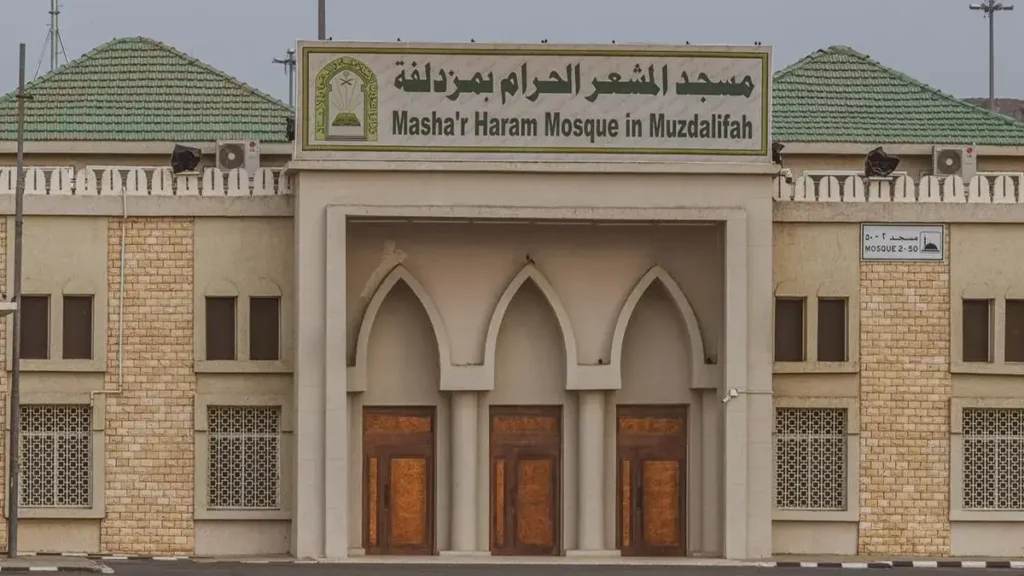
Al Mashar Al Haram (المشعر الحرام), meaning “the Sacred Monument” or “the Sacred Waymark,” is a site associated with Muzdalifah, the open plain where Hajj pilgrims gather and spend the night between the standing at Arafat and the stoning of the Jamarat in Mina. The term is mentioned directly in the Quran, in Surah Al-Baqarah (2:198), where pilgrims are instructed to remember Allah at Al Mashar Al Haram after departing from Arafat.
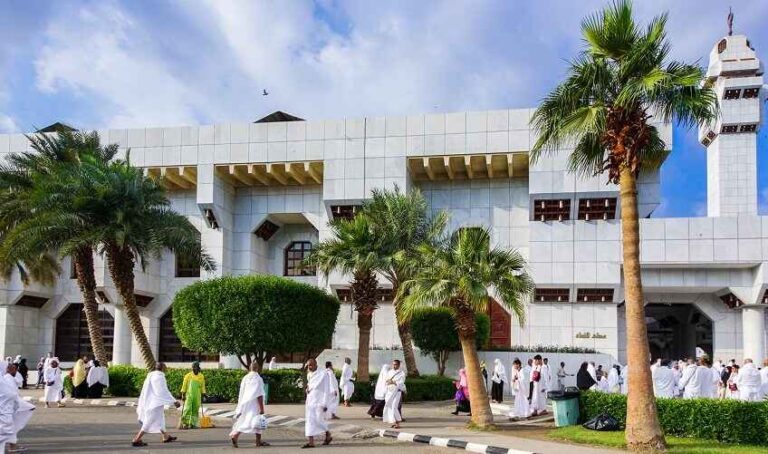
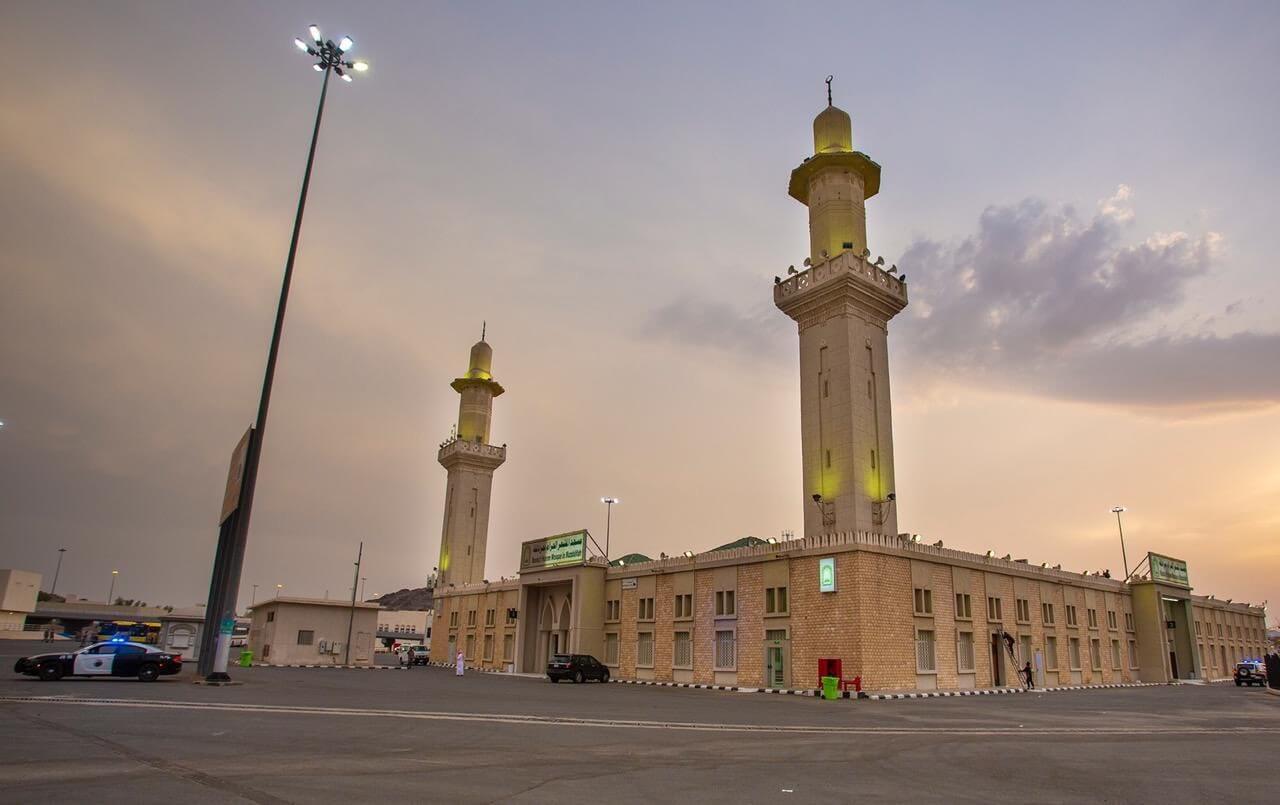
Historically, scholars have identified Al Mashar Al Haram with a small hill or elevated point within Muzdalifah — sometimes referred to as Quzah — where the Prophet Muhammad (peace be upon him) stood, faced the Qiblah, and made supplication during his Farewell Hajj. Today, a mosque known as Masjid Mashar al-Haram (or Masjid al-Mash’ar) marks this location, allowing visitors to pray and reflect at the same spot associated with this Quranic command.
In short: Al Mashar Al Haram refers to Muzdalifah itself in its broader sense, and more specifically to the elevated ground within it where pilgrims are commanded to engage in dhikr (remembrance of Allah) during Hajj.
Religious and Historical Significance
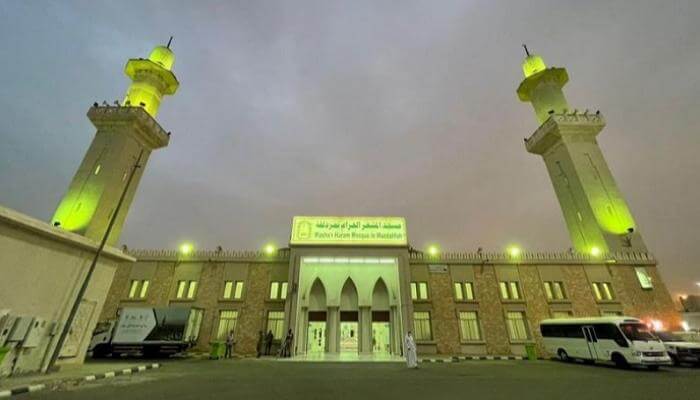
Al Mashar Al Haram holds a distinct place in Islamic ritual and history for several reasons:
- Quranic mention – It is one of the few Hajj-related locations named explicitly in the Quran, underlining its spiritual weight.
- Connection to the Farewell Hajj – Islamic tradition records that the Prophet Muhammad stood at this location during his final pilgrimage, making it a site tied directly to his Sunnah.
- A night of reflection – Muzdalifah, where Al Mashar Al Haram sits, is where millions of pilgrims each year pause between two of the most demanding days of Hajj – the Day of Arafah and the days of Mina – to rest, pray Maghrib and Isha combined, and collect pebbles for the Jamarat.
- A lesson in humility – Unlike the grandeur of Masjid al-Haram, Muzdalifah and Al Mashar Al Haram are marked by simplicity: pilgrims sleep under the open sky on bare ground, a practice preserved since the time of the Prophet.
For visitors and pilgrims interested in Islamic heritage rather than just the rituals of Hajj itself, understanding Al Mashar Al Haram adds valuable context to the broader pilgrimage journey and to Makkah’s religious landscape as a whole.
Where Is Al Mashar Al Haram Located?
Al Mashar Al Haram lies within Muzdalifah, situated between Arafat and Mina, roughly along the route pilgrims travel during the days of Hajj.
- Distance from Masjid al-Haram: Approximately 12–14 kilometers.
- Distance from Mina: Roughly 5–6 kilometers.
- Distance from Arafat: Roughly 3–4 kilometers.
- Approximate travel time from central Makkah: 25–35 minutes by road under normal traffic conditions; significantly longer during peak Hajj days due to pilgrim volume and traffic restrictions.
Because Muzdalifah sits directly on the route between Arafat and Mina, it is only fully accessible for general visitors outside the restricted movement periods of Hajj. During Hajj season itself, access is tightly controlled by Saudi authorities for safety and crowd management, so most non-Hajj visitors view the area from a distance or visit outside the pilgrimage season when movement restrictions are lifted.
Best Time to Visit
- Outside Hajj season (most of the year): This is the most practical time for general Ziyarat visitors to travel through or near Muzdalifah, as roads are open and traffic is manageable.
- During Ramadan: Umrah pilgrims often combine a historical Ziyarat tour with their Umrah trip; early morning or late evening visits avoid the heat and heavier daytime traffic.
- During Hajj (8th–13th Dhul Hijjah): Access to Muzdalifah is reserved for pilgrims performing Hajj rituals under strict crowd-control measures. Sightseeing visits are not advisable during this period.
Visitor Etiquette
- Maintain a calm, respectful demeanor, as the area holds deep ritual significance.
- Dress modestly, as with any religious site in Makkah.
- Photography is generally acceptable in open areas but should be done discreetly and never inside prayer spaces during active worship.
- Avoid littering; Muzdalifah and its surroundings are kept clean for the millions of pilgrims who pass through each Hajj season.
- If visiting the mosque at the site, follow standard mosque etiquette — remove shoes, keep voices low, and avoid disrupting others in prayer.
How to Get to Al Mashar Al Haram
Because of its location outside the central Haram area and the seasonal access restrictions, reaching Al Mashar Al Haram independently can be confusing for first-time visitors, tourists, and pilgrims unfamiliar with Makkah’s road network and Hajj-season traffic rules.
The most convenient and comfortable option is booking a private Makkah Ziyarat taxi, which allows travelers to:
- Depart directly from their hotel without navigating public transport
- Combine a visit to Muzdalifah and Al Mashar Al Haram with nearby historical sites such as Arafat and Mina
- Avoid the uncertainty of shared transport schedules
- Travel at their own pace with a private, air-conditioned vehicle
- Get accurate, up-to-date guidance on which areas are accessible depending on the season
Through Makkah Ziyarat Taxi, visitors can arrange Muzdalifah Taxi, Arafat Taxi Transfer, and Mina Taxi Transfer services as part of a single, flexible Ziyarat route — ideal for families, small groups, and individual travelers who want to visit these historically significant sites without logistical stress.
Combining Al Mashar Al Haram With Other Ziyarat Sites
Most visitors don’t travel to Muzdalifah in isolation — it naturally fits into a wider historical tour of the Makkah region. A private multi-stop Ziyarat trip commonly includes:
- Cave of Hira (Jabal al-Noor) — where the first revelation of the Quran was received
- Cave of Thawr (Jabal Thawr) — where the Prophet and Abu Bakr took refuge during the migration to Madinah
- Jannat al-Mu’alla — the historic cemetery in Makkah where many of the Prophet’s family members are buried
- Masjid Aisha (Masjid Tan’im) — a common Miqat point for Umrah
- Masjid Ji’ranah — another Miqat location with historical significance
- Masjid Nimrah and Masjid Al-Khaif — mosques associated with the Hajj route through Arafat and Mina
- Muzdalifah and Al Mashar Al Haram — as covered in this guide
- Jamarat — the site of the symbolic stoning ritual in Mina
Because these locations are spread across Makkah and its outskirts, a Half-Day or Full-Day Ziyarat Tour with a private driver is generally far more practical than attempting to visit them individually using public transport. Makkah Ziyarat Taxi offers flexible multi-stop Ziyarat trips that let travelers customize their route, set their own pace, and skip the guesswork of coordinating separate trips to each site.
Transportation Options and Vehicle Recommendations
Depending on group size and comfort preferences, different vehicle types suit different travelers:
- Sedan (e.g., Toyota Camry) — Ideal for solo travelers or couples wanting a comfortable, efficient ride between sites.
- Family Van (e.g., Hyundai Staria, Toyota Hiace) — Well suited for families with children or small groups of up to 6–8 passengers, offering more space and luggage capacity.
- SUV (e.g., GMC Yukon) — A comfortable option for smaller groups wanting extra space and a smoother ride on longer routes.
- Bus / Coaster — Recommended for larger groups or organized tours visiting multiple Ziyarat sites in one day.
All vehicles offered through Makkah Ziyarat Taxi are modern, air-conditioned, and driven by experienced local drivers familiar with the Hajj-season road network and seasonal access rules around sites like Muzdalifah.
Family, Elderly, and Accessibility Considerations
Given the distances involved and the heat common in the region, private transportation is particularly recommended for:
- Families with young children, who benefit from door-to-door pickup rather than navigating public transport with kids in tow
- Elderly pilgrims, for whom walking long distances or standing while waiting for shared transport can be physically demanding
- Travelers with mobility limitations, who need a vehicle that can accommodate assistance and minimize walking between stops
A Private Family Taxi or Luxury Ziyarat Taxi booking allows these groups to travel comfortably, with the flexibility to rest, take breaks, or adjust the itinerary as needed.
Booking a Private Ziyarat Taxi: What to Expect
Booking a private Ziyarat taxi through Makkah Ziyarat Taxi is designed to be straightforward:
- Contact via WhatsApp at +966 57 4915 372 or visit makkahziyarat.taxi to share your travel dates, group size, and preferred sites.
- Choose your itinerary — a single-site transfer (such as a Muzdalifah Taxi) or a full multi-stop historical tour.
- Select a vehicle based on group size and comfort preference.
- Confirm hotel pickup details — the driver meets you directly at your accommodation.
- Enjoy a door-to-door Ziyarat experience, with the driver managing routes, timing, and any seasonal access considerations along the way.
This approach removes the uncertainty of navigating unfamiliar roads, seasonal restrictions, and shared transport schedules — particularly valuable for first-time visitors to Makkah.
Weather and Seasonal Travel Tips
- Makkah and its surrounding areas, including Muzdalifah, experience intense heat for much of the year, especially between May and September. Traveling in an air-conditioned private vehicle is strongly advised over walking or waiting for public transport.
- During Ramadan, road traffic around Makkah increases significantly, particularly in the evenings; scheduling Ziyarat trips for the morning hours often means a smoother, faster journey.
- During Hajj season, expect significant congestion and access restrictions around Muzdalifah and Mina; travelers not performing Hajj should plan Ziyarat visits outside this period.
FAQs
1. What does Al Mashar Al Haram mean?
Al Mashar Al Haram means “the Sacred Monument” or “Sacred Waymark” and refers to Muzdalifah, the site pilgrims are instructed to remember Allah at after leaving Arafat during Hajj, as mentioned in the Quran (2:198).
2. Is Al Mashar Al Haram the same as Muzdalifah?
Yes, in general usage, Al Mashar Al Haram refers to Muzdalifah, with the term more specifically pointing to the elevated site within it associated with the Prophet’s supplication during his Farewell Hajj.
3. Can I visit Al Mashar Al Haram outside of Hajj season?
Yes. Outside the Hajj period, the roads through Muzdalifah are generally open, making it accessible as part of a historical Ziyarat tour. During Hajj itself, access is restricted to pilgrims performing the rites.
4. How far is Al Mashar Al Haram from Masjid al-Haram?
It is approximately 12–14 kilometers from Masjid al-Haram, with a typical travel time of 25–35 minutes by road outside of peak congestion.
5. Do I need a guide to visit Al Mashar Al Haram?
A guide isn’t strictly required, but a knowledgeable private driver familiar with the area’s history and seasonal access rules makes the visit far smoother, especially for first-time travelers.
6. What is the best way to travel from Makkah to Muzdalifah for Ziyarat?
A private Ziyarat taxi is the most convenient option, offering hotel pickup, flexible timing, and the ability to combine the visit with other historical sites such as Arafat, Mina, and the Cave of Hira.
7. Can I combine a visit to Al Mashar Al Haram with other Ziyarat sites in one trip?
Yes. Many visitors combine it with Arafat, Mina, Jamarat, and Masjid Nimrah as part of a single half-day or full-day Ziyarat tour using a private taxi service.
8. Is Al Mashar Al Haram suitable for families and elderly visitors?
Yes, though private transportation is recommended given the distances involved and the heat, particularly for elderly travelers or families with young children.
9. What should I wear when visiting Al Mashar Al Haram?
Modest clothing appropriate for a religious site is recommended, consistent with general etiquette across Makkah’s Islamic landmarks.
10. Is there a mosque at Al Mashar Al Haram?
Yes, a mosque known as Masjid Mashar al-Haram (or Masjid al-Mash’ar) is located at the site, allowing visitors to pray at the same spot associated with the Prophet’s supplication.
11. How much does a private taxi to Muzdalifah and Al Mashar Al Haram cost?
Pricing depends on vehicle type, group size, and whether the trip includes additional Ziyarat stops. Contacting Makkah Ziyarat Taxi via WhatsApp provides an accurate quote based on your specific itinerary.
12. Can I book a taxi directly from my hotel in Makkah?
Yes, Makkah Ziyarat Taxi offers hotel pickup and drop-off, so there is no need to arrange separate transport to a meeting point.
13. What is the difference between Muzdalifah and Mina?
Muzdalifah is the open plain where pilgrims stop overnight between Arafat and Mina to pray and collect pebbles, while Mina is where the Jamarat (stoning ritual) and the days of Tashreeq take place.
14. Is photography allowed at Al Mashar Al Haram?
General photography in open areas is typically acceptable, but visitors should be discreet and avoid photographing others in prayer or worship without permission.
15. What vehicle is best for a family visiting multiple Ziyarat sites?
A family van such as a Hyundai Staria or Toyota Hiace is generally recommended for families, offering comfortable seating and space for luggage across multiple stops.
Final Thoughts
Al Mashar Al Haram may not draw the same crowds as the Kaaba or the caves of Hira and Thawr, but its Quranic mention and connection to the Prophet’s Farewell Hajj make it a meaningful stop for anyone wanting a fuller picture of Makkah’s sacred geography. Whether visited as a standalone historical site or as part of a broader Ziyarat itinerary covering Arafat, Mina, and the Jamarat, reaching it comfortably and safely matters just as much as the visit itself.
For a hassle-free experience, Makkah Ziyarat Taxi offers private, flexible transportation to Al Mashar Al Haram and every major Islamic historical site in and around Makkah. To arrange hotel pickup, a custom multi-stop itinerary, or a simple one-way transfer, reach out via WhatsApp at +966 57 4915 372 or visit makkahziyarat.taxi to plan your Ziyarat journey.