Makkah Hotel to Haramain High-Speed Railway Station (Rusayfah): Taxi Guide with a Ziyarat Stop En-Route
If your Umrah trip is ending and your next stop is Madinah by train, you don’t have to choose between a rushed checkout and a meaningful last day in Makkah. A well-timed private taxi can do both: collect you and your luggage from your hotel, take you around the city’s most important Islamic historical sites for about two and a half hours, and drop you directly at the Haramain High-Speed Railway Station in Rusayfah – timed to your train departure.
This guide explains exactly how that route works, what to expect from the Makkah train station, which Ziyarat sites fit naturally along the way, and how to book a private hotel-to-station transfer that includes a Ziyarat tour without adding stress to your travel day.
How the Hotel-to-Station Ziyarat Transfer Works
A private Ziyarat taxi transfer from your Makkah hotel to the Haramain Railway Station typically follows this sequence:
- Checkout and pickup — the driver collects you and your luggage directly from your hotel lobby at an agreed time.
- Ziyarat tour (roughly 2–3 hours) — the vehicle takes you to two or three historical sites, such as Jabal al-Noor (Cave of Hira), Jabal Thawr (Cave of Thawr), and Jannat al-Mu’alla, depending on your interests and available time.
- Direct drop-off at Rusayfah Station — the driver plans the route backward from your train’s departure time, so you arrive with a comfortable buffer for check-in and security screening.
Because the vehicle is private and reserved only for you or your group, the entire itinerary — how much time is spent at each site, whether stops are added or skipped, and when the final drive to the station begins — is built around your train ticket, not a fixed group schedule. Travelers who want this exact service can book a private Ziyarat-to-station transfer through Makkah Ziyarat Taxi, or send trip details on WhatsApp at +966 57 4915 372 to confirm timing.
Where Is the Haramain Railway Station in Makkah?
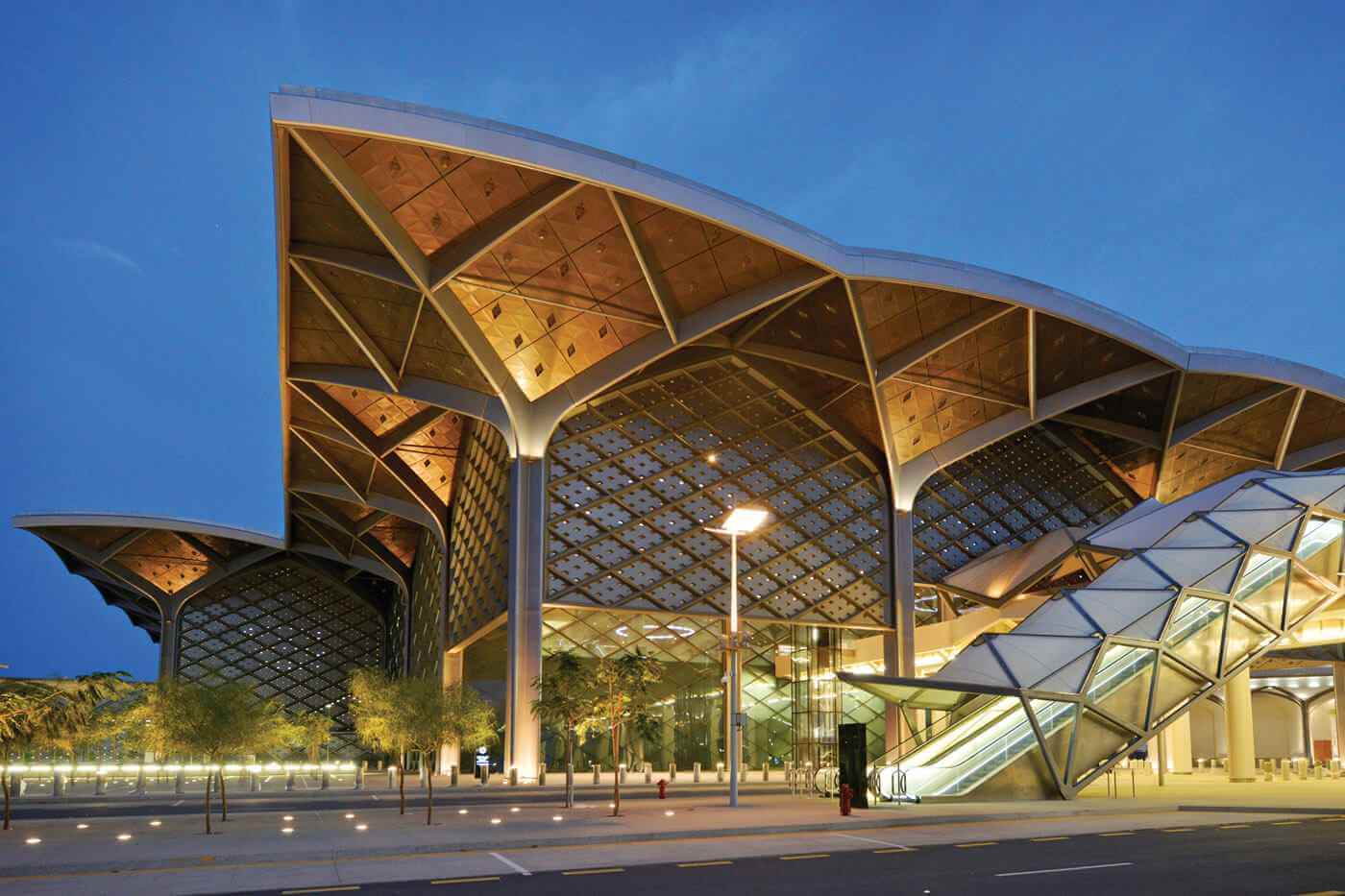
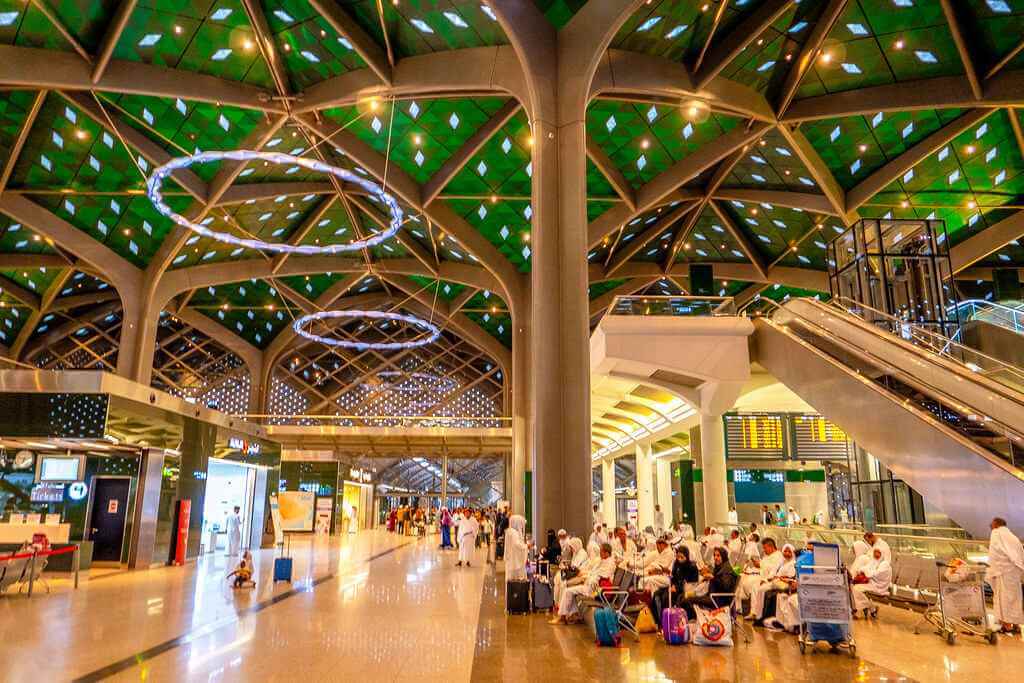
The Makkah terminus of the Haramain High-Speed Railway is located in the Al-Rusayfah district, on the eastern edge of the city, roughly 3.5 kilometers from Masjid al-Haram. It’s one of five stations on the line, alongside Jeddah’s Sulaymaniyah station, King Abdulaziz International Airport station, King Abdullah Economic City station, and the Madinah terminus. The Rusayfah station is a large facility — spanning several hundred thousand square meters — built to handle the heavy passenger volumes of Hajj and Umrah seasons.
Because Rusayfah sits outside the central hotel district around the Haram, most pilgrims and travelers rely on a taxi, ride-hailing app, or hotel shuttle to reach it – there’s no walking distance option for the vast majority of visitors staying near the Grand Mosque.
Distance and Travel Time from Popular Hotel Areas
| From (Hotel Area) | Approx. Distance to Rusayfah Station | Typical Drive Time |
|---|---|---|
| Ajyad / Abraj Al Bait area | ~4–5 km | 12–20 minutes |
| Aziziyah | ~6–8 km | 15–25 minutes |
| Shisha / Rae Bakhsh | ~5–7 km | 15–20 minutes |
| Misfalah | ~5–6 km | 15–20 minutes |
Travel times vary significantly with traffic, time of day, and — especially — proximity to prayer times, when roads around the Haram become congested. This is precisely why travelers who want to combine a Ziyarat tour with a station drop-off should build in extra buffer time and, ideally, let an experienced local driver plan the route rather than estimating it themselves.
Why Combine Your Checkout Day with a Ziyarat Tour?
For many pilgrims, the final day in Makkah is a logistical afterthought — check out, wait around, get to the station. But it doesn’t have to be. Several of Makkah’s most historically significant Islamic sites sit reasonably close to the general route between the city center and Rusayfah, which makes it practical to weave a short Ziyarat itinerary into checkout day rather than losing that time entirely.
This works especially well for:
- Umrah pilgrims on tight schedules who didn’t get a dedicated Ziyarat day earlier in their trip.
- Families and groups who want to see historical sites together before splitting the day between sightseeing and travel.
- First-time visitors who may not return to Makkah for years and want to see Jabal al-Noor or Jabal Thawr before departing.
- Travelers connecting to Madinah by train who want productive, meaningful use of the hours between checkout and departure, rather than sitting in a hotel lobby or the station waiting area.
A private tour also solves the biggest practical problem with combining sightseeing and a train connection: timing control. Shared or scheduled tours run on their own clock. A private vehicle runs on yours — which matters when a missed train means rebooking tickets and adjusting your entire Madinah schedule.
Recommended Ziyarat Stops En-Route to the Station
Not every historical site in Makkah fits into a 2–2.5 hour window before a train departure. The stops below are commonly combined because of their historical importance and manageable visiting time — though the exact combination should always depend on your train time and how much walking or climbing you’re comfortable with.
Jabal al-Noor and the Cave of Hira
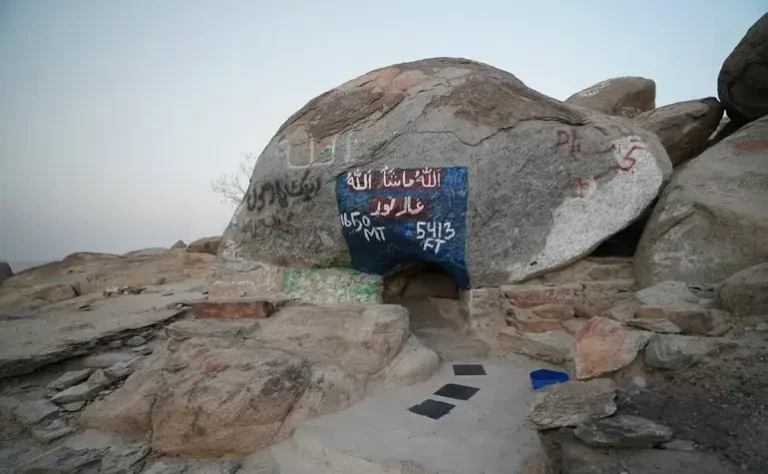
Jabal al-Noor (“Mountain of Light”) is where the Cave of Hira is located — the site traditionally associated with the first revelation to Prophet Muhammad ﷺ. It’s one of the most visited historical sites in Makkah after the Haram itself.
- Religious significance: Widely regarded as the location of the beginning of the Quranic revelation.
- Physical demand: Reaching the cave requires a hike of roughly 600–700 steps up a rocky mountain trail — it is not wheelchair accessible and can be strenuous in Makkah’s heat.
- Best time to visit: Early morning or after Asr, when temperatures are lower and the trail is less crowded.
- Practical note for a checkout-day visit: Because of the climb, this stop alone can take 45–90 minutes round trip depending on fitness level and crowd size — factor this in heavily if your train departure is close.
Travelers who specifically want to prioritize this stop can arrange a dedicated Cave of Hira Taxi or Jabal al-Noor Taxi booking with enough waiting time built in for the climb.
Jabal Thawr and the Cave of Thawr
Jabal Thawr is the mountain south of Makkah containing the cave where the Prophet ﷺ and Abu Bakr (RA) took refuge during the migration (Hijrah) to Madinah, as recorded in Islamic history.
- Religious significance: Associated with the Hijrah narrative and the protection described in the Quran.
- Physical demand: The climb is generally considered more difficult and longer than Jabal al-Noor, and is often visited by viewing/photographing from the base rather than climbing, especially on a time-limited itinerary.
- Practical note: Given the steeper climb, most travelers on a checkout-day schedule visit the base of Jabal Thawr for photographs and reflection rather than attempting the full ascent, unless there’s ample time before the train.
A Cave of Thawr Taxi or Jabal Thawr Taxi booking is best planned with a driver who understands realistic timing for this stop specifically, since underestimating it is the most common reason travelers cut a Ziyarat tour short.
Jannat al-Mu’alla (Al-Ma’la Cemetery)
Jannat al-Mu’alla is a historic cemetery in Makkah where several of the Prophet’s ﷺ family members and early companions are buried, including his first wife, Khadijah bint Khuwaylid (RA).
- Religious significance: One of the most historically important cemeteries in Islam.
- Physical demand: Minimal — it’s a ground-level site with no climbing, making it one of the more time-efficient and accessible stops.
- Visitor etiquette: Visitors should dress modestly, maintain a respectful and quiet demeanor, and follow any posted visiting guidelines, as this remains an active burial site.
- Practical note: Because it requires no climbing, this is often the easiest site to fit into a tight, train-bound schedule.
Other Sites Sometimes Included
Depending on available time, some travelers also request stops at Masjid Aisha (a common Miqat point for Umrah) or a brief pass by Masjid Ji’ranah. These are less commonly combined with a same-day train departure due to distance, but a private driver can advise whether they realistically fit your specific train time.
Sample 2.5-Hour Itinerary: Hotel → Ziyarat → Rusayfah Station
The exact plan should always be adjusted to your train departure, but a typical structure looks like this:
| Time (approx.) | Activity |
|---|---|
| 0:00 | Hotel checkout and pickup by private driver |
| 0:10–0:50 | Jannat al-Mu’alla visit (low physical demand, efficient stop) |
| 0:50–1:10 | Drive toward Jabal Thawr area |
| 1:10–1:40 | Jabal Thawr base viewpoint / photo stop |
| 1:40–2:00 | Drive toward Jabal al-Noor |
| 2:00–2:30 | Jabal al-Noor base area (or partial climb, time permitting) |
| 2:30–2:50 | Drive to Rusayfah Haramain Station |
| 2:50 | Arrival with buffer time before boarding |
This is a sample only. If your train time is tighter, a driver familiar with the route will typically prioritize Jannat al-Mu’alla and a Jabal Thawr photo stop over a full climb, since those fit more reliably into a fixed window.
What to Expect at Rusayfah (Haramain) Station
Understanding the station itself helps you plan arrival timing more accurately:
- Location: Al-Rusayfah district, about 3.5 km from Masjid al-Haram.
- Scale: One of the larger stations on the Haramain line, built to process large volumes of pilgrims, particularly during Hajj and peak Umrah periods.
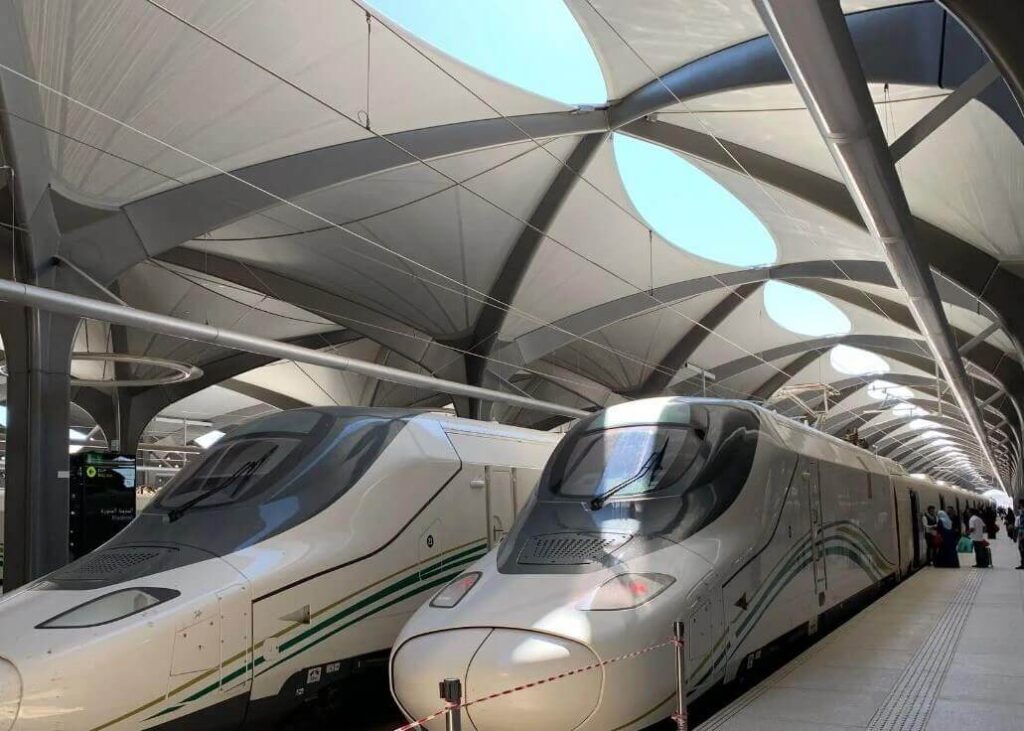
- Journey to Madinah: The Makkah–Madinah leg of the Haramain High-Speed Railway takes approximately 2 hours 45 minutes at speeds up to 300 km/h.
- Recommended arrival buffer: Arriving at least 45–60 minutes before departure is a reasonable general guideline to allow for parking drop-off, ticket verification, security screening, and walking to the platform — though during Hajj, Ramadan, or peak Umrah season, allowing more time is safer.
- Facilities: The station includes waiting areas, prayer facilities, and passenger services suited to long-distance and pilgrimage travel.
If your itinerary includes a Ziyarat stop beforehand, this buffer becomes even more important — a private driver who regularly makes this run can judge realistic drop-off timing far better than a generic estimate, since traffic near the Haram fluctuates sharply around prayer times.
Best Vehicle Options for a Hotel-to-Station Ziyarat Transfer
Because this trip usually involves luggage, a Ziyarat stop with some walking, and a fixed deadline, vehicle choice matters more than on a typical short ride.
- Sedan (e.g., Toyota Camry): Suitable for solo travelers or couples with light luggage.
- Family Van (e.g., Toyota Hiace, Hyundai Staria): A practical choice for families or small groups, with enough room for luggage plus stops at multiple Ziyarat sites.
- SUV (e.g., GMC Yukon): A comfortable option for smaller groups wanting extra space and a smoother ride, especially for travelers who prefer not to switch vehicles between the Ziyarat tour and the airport-style luggage transfer to the station.
- Larger group vehicles (Coaster/Bus): Appropriate for bigger family or group bookings combining Ziyarat with a shared onward departure.
Whichever vehicle you choose, the key advantage of a private, air-conditioned taxi over a shared tour is flexibility: the driver waits for you at each stop rather than working around a group schedule, which is essential when a train departure is the fixed point of the day.
Booking Tips for a Smooth Checkout-Day Ziyarat + Train Transfer
A few practical steps make this kind of combined trip go smoothly:
- Share your train ticket time when booking, not just “morning” or “afternoon.” A driver planning backward from an exact departure time can build a realistic Ziyarat itinerary; a vague time window makes it harder to guarantee arrival.
- Confirm luggage requirements upfront, especially for families or groups with multiple large suitcases, so the right vehicle size is arranged.
- Ask about hotel pickup logistics. Many hotels near the Haram have designated pickup zones due to traffic restrictions — a local driver will usually know the exact meeting point for your specific hotel.
- Build in a buffer, not a tight margin. If your train departs at 2:00 PM, treat 1:00–1:15 PM as your real drop-off deadline, not 1:55 PM.
- Confirm the plan in writing. A quick WhatsApp message confirming pickup time, Ziyarat stops, and train time helps avoid misunderstandings on the day itself.
Travelers can send their hotel name, checkout time, and train departure details directly via WhatsApp to +966 57 4915 372 to have a driver map out a realistic itinerary in advance, or book online through Makkah Ziyarat Taxi.
Who This Service Is Ideal For
- Solo Umrah pilgrims wanting a meaningful last few hours in Makkah without navigating public transport with luggage.
- Families who want to visit historical sites together before a long train journey, without coordinating multiple vehicles or ride-hailing pickups.
- Elderly travelers or those with mobility concerns, who benefit from door-to-door private transport rather than walking between shared shuttle drop-off points — note that sites involving mountain climbs (Jabal al-Noor, Jabal Thawr) may still require assessing physical suitability beforehand.
- Groups traveling together who want one coordinated vehicle and schedule rather than splitting into separate taxis for sightseeing and station transfer.
For accessibility-sensitive travelers, it’s worth mentioning wheelchair or mobility needs when booking so the driver can plan a route that favors lower-demand stops like Jannat al-Mu’alla over the mountain climbs.
Seasonal Considerations
- Ramadan: Roads around the Haram are significantly busier, especially closer to Iftar and Taraweeh times. Ziyarat stops and station drop-offs should be planned around prayer schedules, with extra buffer time.
- Hajj season: Traffic near Makkah’s central districts intensifies substantially, and the Rusayfah station handles much higher passenger volumes. Earlier pickup times and wider arrival buffers are strongly advised.
- Peak Umrah months: Weekends and evenings tend to be busier; early morning departures generally offer the smoothest combination of Ziyarat visits and station transfer.
- Summer heat: Outdoor stops, particularly the Jabal al-Noor and Jabal Thawr climbs, are more demanding in high temperatures — hydration and shorter outdoor exposure windows are recommended, and an air-conditioned vehicle between stops makes a meaningful difference in comfort.
FAQs
How far is the Haramain Railway Station from Makkah hotels near the Haram?
Most hotels near Masjid al-Haram are approximately 4–8 km from the Rusayfah station, translating to roughly a 12–25 minute drive depending on traffic and the specific hotel location.
Can I really fit a Ziyarat tour into my train departure day?
Yes, if you plan around a fixed departure time and choose stops with realistic visiting durations. Jannat al-Mu’alla and a Jabal Thawr photo stop fit comfortably into most schedules; a full Jabal al-Noor climb needs more buffer time.
How early should I leave my hotel if my train departs at a specific time?
As a general guide, plan to arrive at the station 45–60 minutes before departure, then work backward to calculate when the Ziyarat portion needs to end and when hotel pickup should begin — adding more buffer during Hajj, Ramadan, or peak Umrah season.
Is it possible to visit Cave of Hira and Cave of Thawr on the same trip before a train?
It’s possible but tight, since both sites involve climbs. Most travelers on a train-bound schedule choose one full climb and one base-level photo stop rather than attempting both full ascents in the same window.
Do I need to book a private taxi in advance, or can I arrange one on checkout day?
Advance booking is strongly recommended, particularly during Hajj and peak Umrah periods, so the vehicle size, pickup time, and route can be planned around your exact train ticket rather than arranged last-minute.
What vehicle is best for a family with luggage doing this route?
A family van such as a Toyota Hiace or Hyundai Staria is generally the most practical choice, offering enough space for luggage and multiple passengers while still being nimble enough for stop-and-go sightseeing.
Is Jannat al-Mu’alla suitable for elderly visitors or those with limited mobility?
Yes – unlike the mountain sites, it’s a ground-level location with no climbing required, making it one of the more accessible historical stops in Makkah.
Are the mountain sites (Jabal al-Noor, Jabal Thawr) wheelchair accessible?
No. Both involve rocky, uneven terrain and stairs or trails that are not wheelchair accessible. Travelers with mobility limitations typically view these sites from the base rather than climbing.
How much does a private Ziyarat taxi with a station drop-off typically involve arranging?
Pricing and exact inclusions vary by vehicle type, number of stops, and total distance/time. The most reliable way to get an accurate quote is to share your hotel, train time, and preferred Ziyarat stops directly with a local provider such as Makkah Ziyarat Taxi via WhatsApp.
Can the driver wait while I visit each site, or do I need to arrange separate pickups?
With a private booking, the same driver and vehicle wait for you at each stop and continue directly to the next location and, finally, to the station — there’s no need to arrange separate pickups.
What if my train time changes or gets delayed?
It’s best to inform your driver as early as possible if your train schedule changes, so the Ziyarat itinerary and pickup time can be adjusted accordingly.
Is this transfer available for Hajj pilgrims as well as Umrah pilgrims?
Yes, though during Hajj season, traffic and station volume are significantly higher, so earlier departures and simplified itineraries (fewer, closer stops) are generally more realistic.
Final Thoughts
Your last day in Makkah doesn’t need to be a choice between “see the historical sites” and “get to the train station on time.” With a private vehicle, a realistic itinerary built around your exact departure time, and a driver who knows both the Ziyarat sites and the Rusayfah station route well, it’s entirely possible to do both — checkout, a meaningful two-to-three-hour visit to sites like Jabal al-Noor, Jabal Thawr, and Jannat al-Mu’alla, and a calm, on-time arrival at the Haramain High-Speed Railway Station.
To arrange a private hotel-to-station transfer with a Ziyarat stop, book through Makkah Ziyarat Taxi or message your hotel name, checkout time, and train departure on WhatsApp at +966 57 4915 372 — a driver will help you plan an itinerary that fits your schedule comfortably, with luggage handled and no need to worry about missing your train.