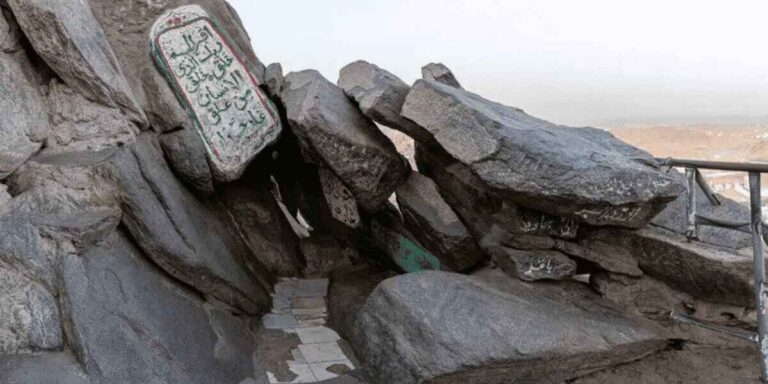

Ain Zubaida (Canal of Zubaida) Makkah Ziyarat Guide
Ain Zubaida, also written as Ayn Zubaydah or the Canal of Zubaida, is one of the most remarkable historical water systems in Islamic history. Built more than 1,200 years ago to solve a life-threatening water shortage during Hajj, this ancient aqueduct still draws pilgrims, historians, and curious travelers who want to understand how Makkah survived and grew in one of the harshest desert climates on earth.
This guide explains the full history of Ain Zubaida, who built it and why, where its remaining sections can be seen today, how far it is from Masjid al-Haram, and how to plan a comfortable visit as part of a wider Makkah Ziyarat itinerary.
What Is Ain Zubaida?
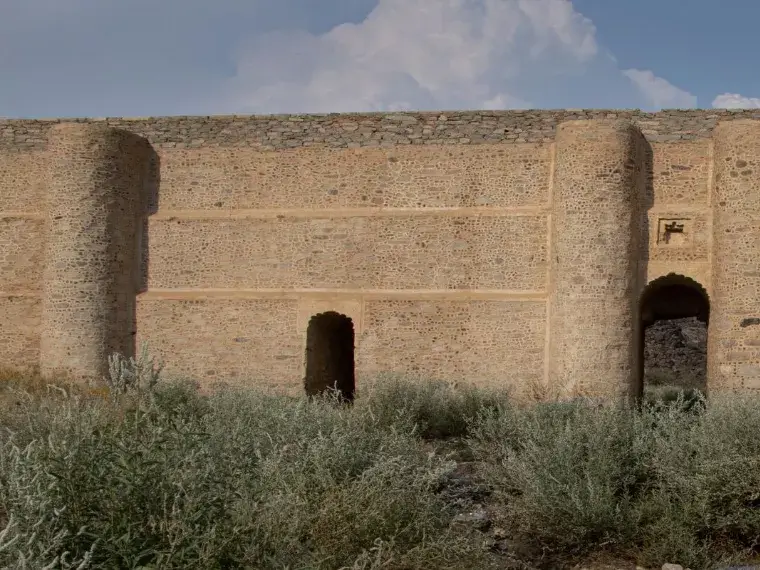
Ain Zubaida (عين زبيدة) is an early Abbasid-era aqueduct, or qanat, built to carry fresh water from natural springs and valleys outside Makkah into the city itself and onward to the sacred sites of Mina, Arafat, and Muzdalifah. The system combined underground tunnels cut through rock with above-ground stone channels, moving water across dozens of kilometers of desert terrain using nothing but gravity and precise engineering calculations.
For over a thousand years, this canal was one of the only reliable water sources for pilgrims performing Hajj, making it far more than a historical curiosity — it was a lifeline for generations of visitors to the holy city.
Who Built Ain Zubaida, and Why?
The canal takes its name from Zubaidah bint Ja’far, wife of the fifth Abbasid Caliph, Harun al-Rashid. She was known not only for her wealth and status but also for her deep personal piety and her commitment to public welfare across the Muslim world, including major improvements to the pilgrim road connecting Kufa to Makkah and Madinah, known as Darb Zubaidah.
The story of the canal begins during Zubaidah’s own Hajj journey. Makkah was experiencing a severe drought, and she witnessed firsthand the suffering this caused among local residents and pilgrims. Determined to solve the problem permanently, she commissioned engineers to design a water system that could reliably supply the city, reportedly instructing that cost should never be allowed to stand in the way of finishing the project. Construction is generally dated to around 801 CE (186 AH), with major work completed by 809 CE.
Because a simple surface canal was not possible across the rocky, barren terrain, engineers designed a qanat-style system: underground tunnels that protected the water from evaporation and contamination, combined with above-ground aqueducts and stone bridges where the terrain required it.
How the Engineering Worked
Ain Zubaida is considered one of the most sophisticated hydraulic projects of the early Islamic world, and its design still impresses engineers today. The system generally included:
- Underground channels (qanats): Stone-lined tunnels, roughly a meter or more wide and over a meter and a half high, carrying water gently downhill using calculated gradients.
- Inspection shafts: Vertical wells spaced along the route, some reaching several dozen meters deep, used to access, clean, and maintain the channel.
- Above-ground aqueducts and stone bridges: Built where valleys or uneven ground made underground tunneling impractical.
- Reservoirs: Storage points placed strategically along the route to hold water and distribute it to Makkah, Masjid al-Haram, and the sites of Mina, Arafat, and Muzdalifah during the Hajj season.
The water source fed into the system from valleys and springs east of Makkah, with sections tracing back toward areas near Taif and Wadi Nu’man. From there, the canal wound its way through Arafat and into the city, integrating with local distribution points close to the Grand Mosque.
Historical Significance and Restoration
Ain Zubaida remained in active use, with periodic repairs, for centuries after its construction. Its condition naturally declined over such a long period, and various rulers throughout Islamic history funded restoration work to keep it functioning for pilgrims.
One of the most significant modern restorations took place during the reign of King Abdul Aziz in the late 1920s, when the canal was repaired and reinforced to continue serving Makkah’s growing population and pilgrim numbers. As the city modernized and new water infrastructure was introduced in the 20th century, the canal’s practical role gradually diminished, but its historical and engineering legacy remained intact.
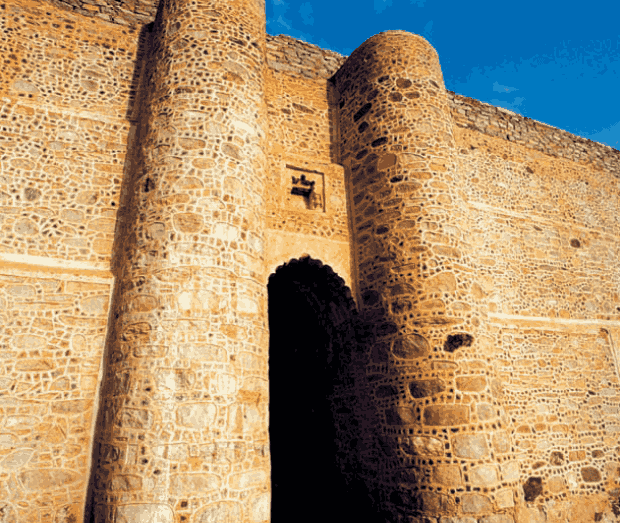
Today, complete stretches of the original canal no longer survive, but scattered remnants — stone channels, arches, and inspection shafts — can still be found in several locations around Makkah, offering a tangible connection to this remarkable chapter of Islamic history.
Where Can You See the Remains of Ain Zubaida Today?
Visible remnants of the canal are scattered rather than concentrated in a single site, which is part of what makes visiting them interesting for history-focused travelers. Sections and traces of the original stonework can still be seen in areas including:
- Near the base of Jabal Rahmah (Mount of Mercy) at Arafat
- Along stretches between Arafat and Muzdalifah
- On the outskirts of Mina, particularly around Al-Aziziyah
- Scattered archaeological fragments elsewhere on Makkah’s outskirts
Because these remnants are spread across a wide area rather than housed in one visitor center, seeing more than one site in a single trip generally requires private transportation rather than relying on public transport or walking, since public buses do not stop directly at these historical fragments.
Religious and Cultural Importance
While Ain Zubaida is not a site of ritual worship in the way that Masjid al-Haram or the Cave of Hira are, it holds deep significance in the story of Hajj and Islamic history. It represents the tradition of sadaqah jariyah — ongoing charity — since a project built to serve pilgrims continued benefiting travelers for well over a millennium after its founder’s death. Many pilgrims choose to include it in their Ziyarat itinerary specifically to reflect on this legacy of generosity and engineering excellence during the golden era of Islamic civilization.
For visitors interested in the fuller history of Hajj infrastructure, Ain Zubaida pairs naturally with other historical Ziyarat stops such as the Cave of Hira on Jabal al-Noor, the Cave of Thawr on Jabal Thawr, and Jannat al-Mu’alla, since all of these sites reflect different aspects of Makkah’s Islamic heritage.
Best Time to Visit Ain Zubaida
- Outside Hajj season: The remnants of the canal near Arafat, Mina, and Muzdalifah are far easier to access and photograph outside the Hajj period, when these areas are otherwise reserved for pilgrim movement and heavily restricted.
- Early morning or late afternoon: Given Makkah’s desert climate, visiting historical outdoor sites during the cooler parts of the day is far more comfortable, especially in summer months.
- During Umrah season: Many Umrah pilgrims add a short Ziyarat detour to see the canal remnants alongside other historical sites, since access is generally more flexible outside the Hajj rush.
- Ramadan travel: Daytime visits during Ramadan should be planned around fasting hours and heat; a private taxi with air conditioning makes this far more manageable for fasting visitors, especially families and elderly travelers.
Distance From Masjid al-Haram
Distances vary depending on which remnant of the canal you are visiting, since the sites are spread across different areas:
- Remnants near Arafat: roughly 20–22 km from Masjid al-Haram
- Remnants near Muzdalifah: roughly 12–15 km from Masjid al-Haram
- Remnants near Mina/Al-Aziziyah: roughly 7–9 km from Masjid al-Haram
Travel times by private taxi typically range from 20 to 45 minutes depending on traffic, time of year, and which specific location is being visited. Because the sites are not close together, visiting more than one in a day is far easier with a private vehicle that can wait at each stop and adjust the route as needed.
Planning Your Visit: Why a Private Ziyarat Taxi Makes Sense
Because Ain Zubaida’s remaining sections are scattered across Arafat, Muzdalifah, and Mina rather than located in one accessible tourist site, getting there comfortably is one of the most common questions pilgrims and travelers ask. Public transport does not serve these historical remnants directly, and walking between locations is not realistic given the distances and desert heat.
This is where booking a private Makkah Ziyarat taxi through Makkah Ziyarat Taxi becomes genuinely useful rather than just a convenience. A private driver can:
- Pick you up directly from your Makkah hotel with door-to-door service
- Take you to multiple Ain Zubaida remnant locations near Arafat, Muzdalifah, and Mina in one flexible trip
- Combine this stop with other Islamic historical sites, such as the Cave of Hira taxi route to Jabal al-Noor, the Cave of Thawr taxi route to Jabal Thawr, or a visit to Jannat al-Mu’alla
- Wait at each stop so you can explore at your own pace, rather than rushing on a fixed group schedule
- Provide an air-conditioned, comfortable vehicle suited to families, elderly travelers, and larger groups
Whether you are traveling as a couple, a family, or a larger group, Makkah Ziyarat Taxi offers flexible options including private family taxis, private group taxis, and luxury Ziyarat taxis, with vehicle choices ranging from sedans to vans like the Hyundai Staria and Toyota Hiace, up to larger GMC Yukon SUVs for bigger groups.
Combining Ain Zubaida With a Full Ziyarat Tour
Most travelers do not visit Ain Zubaida as a standalone trip. It fits naturally into a half-day or full-day Ziyarat tour that may also include:
- Cave of Hira (Jabal al-Noor)
- Cave of Thawr (Jabal Thawr)
- Jannat al-Mu’alla
- Masjid Aisha
- Masjid Ji’ranah
- Masjid Nimrah
- Masjid Al-Khaif
Booking a flexible multi-stop Ziyarat trip means you don’t have to choose between these historical sites — a private driver can build a route that covers several locations in one comfortable outing, with hotel pickup and drop-off included.
Accessibility and Family Travel Considerations
Because some remnants of the canal are found on uneven, rocky, or elevated ground, they are not fully wheelchair accessible in every location. Families traveling with elderly relatives or those with mobility concerns should plan for short walks from the vehicle to the viewing area rather than long treks. A private taxi service can help by choosing accessible stopping points and allowing extra time for those who need to move at a slower pace, something that is far harder to arrange on a shared or fixed-schedule tour.
Photography and Visitor Etiquette
- These are historical and, for some visitors, spiritually meaningful sites — please be respectful of other visitors and any local guidance or signage.
- Photography of the stone channels and inspection shafts is generally welcomed, but be mindful of safety around old shafts and uneven stonework.
- Avoid climbing on fragile or unstable sections of the original stonework.
- Carry water and sun protection, as most of these remnants are in open, exposed desert terrain with little shade.
How to Book a Private Ziyarat Taxi to Ain Zubaida
Booking transportation for your Ain Zubaida visit is straightforward:
- Contact Makkah Ziyarat Taxi via WhatsApp at +966 57 4915 372 with your preferred date, hotel location, and group size.
- Share which additional Ziyarat stops you’d like to include, such as the Cave of Hira, Cave of Thawr, or Jannat al-Mu’alla.
- Confirm your vehicle choice based on group size — sedan, family van, or larger SUV/bus.
- Enjoy door-to-door hotel pickup, a flexible multi-stop itinerary, and drop-off back at your hotel once your tour is complete.
You can also visit makkahziyarat.taxi to review available Ziyarat services and vehicle options before booking.
FAQs
What is Ain Zubaida?
Ain Zubaida, or the Canal of Zubaida, is a historic Abbasid-era aqueduct built in the early 9th century to supply water to Makkah and the Hajj sites of Mina, Arafat, and Muzdalifah.
Who built Ain Zubaida?
It was commissioned by Zubaidah bint Ja’far, wife of Caliph Harun al-Rashid, after she witnessed a severe water shortage during her own Hajj pilgrimage.
When was Ain Zubaida built?
Construction is generally dated to around 801 CE (186 AH), with major sections completed by 809 CE.
How long was the original canal?
Estimates of the full network’s length vary by source, with figures commonly ranging from roughly 30 kilometers for the core aqueduct sections up to much longer figures when including the wider water-supply network feeding into it.
Is Ain Zubaida still functioning today?
No. The canal is no longer in active use as Makkah’s water supply, but scattered remnants of the stonework survive as a historical site.
Where can I see the remains of Ain Zubaida?
Visible sections can be found near Jabal Rahmah at Arafat, along the route between Arafat and Muzdalifah, and near Mina’s Al-Aziziyah district.
How far is Ain Zubaida from Masjid al-Haram?
Depending on the specific remnant, distances range from roughly 7 km (near Mina) to over 20 km (near Arafat).
Is Ain Zubaida a religious pilgrimage site?
It is not a ritual worship site, but it holds strong historical and spiritual significance as an example of charitable works tied to the Hajj tradition.
Can I visit Ain Zubaida during Hajj season?
Access is much more limited during Hajj because Mina, Arafat, and Muzdalifah are reserved for pilgrim movement. Visits are far easier outside the Hajj period.
What is the best way to get to Ain Zubaida from my hotel?
A private Ziyarat taxi with hotel pickup is the most practical option, since the sites are spread out and not served by regular public transport.
Can I combine Ain Zubaida with other Ziyarat sites in one trip?
Yes. It is commonly combined with the Cave of Hira, Cave of Thawr, and Jannat al-Mu’alla as part of a flexible, multi-stop Ziyarat tour.
Is the site suitable for elderly visitors or those with limited mobility?
Some areas involve uneven or rocky terrain. A private driver can help choose more accessible stopping points and allow extra time for slower-paced visits.
Do I need a guide to visit Ain Zubaida?
A guide is not required, but a knowledgeable private driver familiar with the historical sites can add valuable context during the trip.
How much time should I set aside to visit Ain Zubaida?
Most visitors spend 30–60 minutes at each remnant location, with a full multi-site Ziyarat tour typically running half a day.
How do I book a private taxi to Ain Zubaida?
You can contact Makkah Ziyarat Taxi directly via WhatsApp at +966 57 4915 372 or visit makkahziyarat.taxi to arrange hotel pickup and a customized route.
Final Thoughts
Ain Zubaida stands as one of the most quietly powerful reminders of Makkah’s history — a project born from compassion during a moment of crisis, sustained for over a thousand years through careful engineering and continuous restoration. For travelers interested in the deeper story behind Hajj and the holy sites, seeing its remaining stonework near Arafat, Muzdalifah, and Mina adds meaningful context to a Makkah visit.
If you’d like help planning a comfortable, flexible route to Ain Zubaida and other Islamic historical sites in Makkah, reach out to Makkah Ziyarat Taxi on WhatsApp at +966 57 4915 372 or visit makkahziyarat.taxi to arrange private, door-to-door Ziyarat transportation suited to your group and schedule.